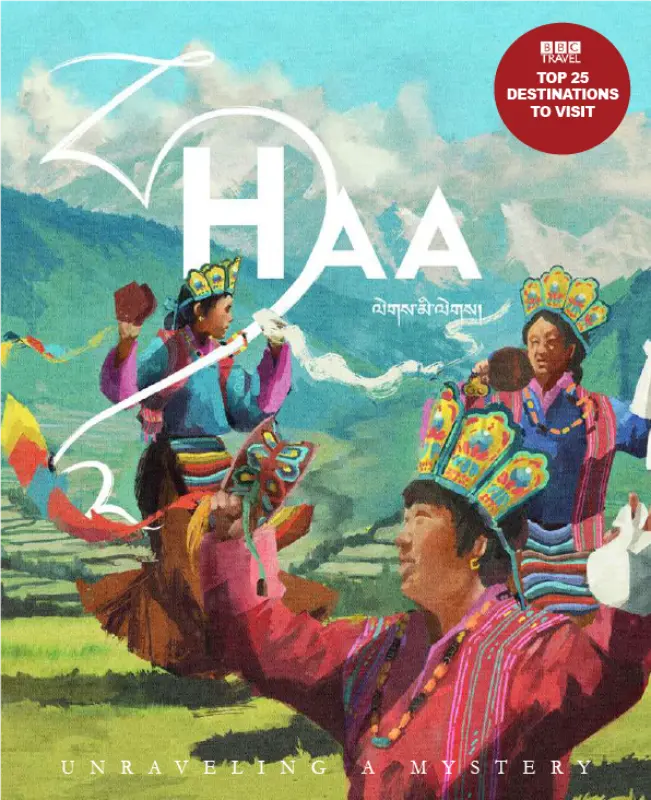
Haa is not just another scenic valley – it is a living cultural archive of a unique Bhutanese identity, spiritual resilience, and ecological harmony, where myths like that of Ap Chhundu, ancient shamanic traditions, and remote hermitages continue to thrive, largely unrecorded in mainstream tourism narratives. With a population of about 13,849 as of 2023, the people of Haa live in very close-knit villages spread across valleys and highlands, where community life is strong and rooted in tradition.
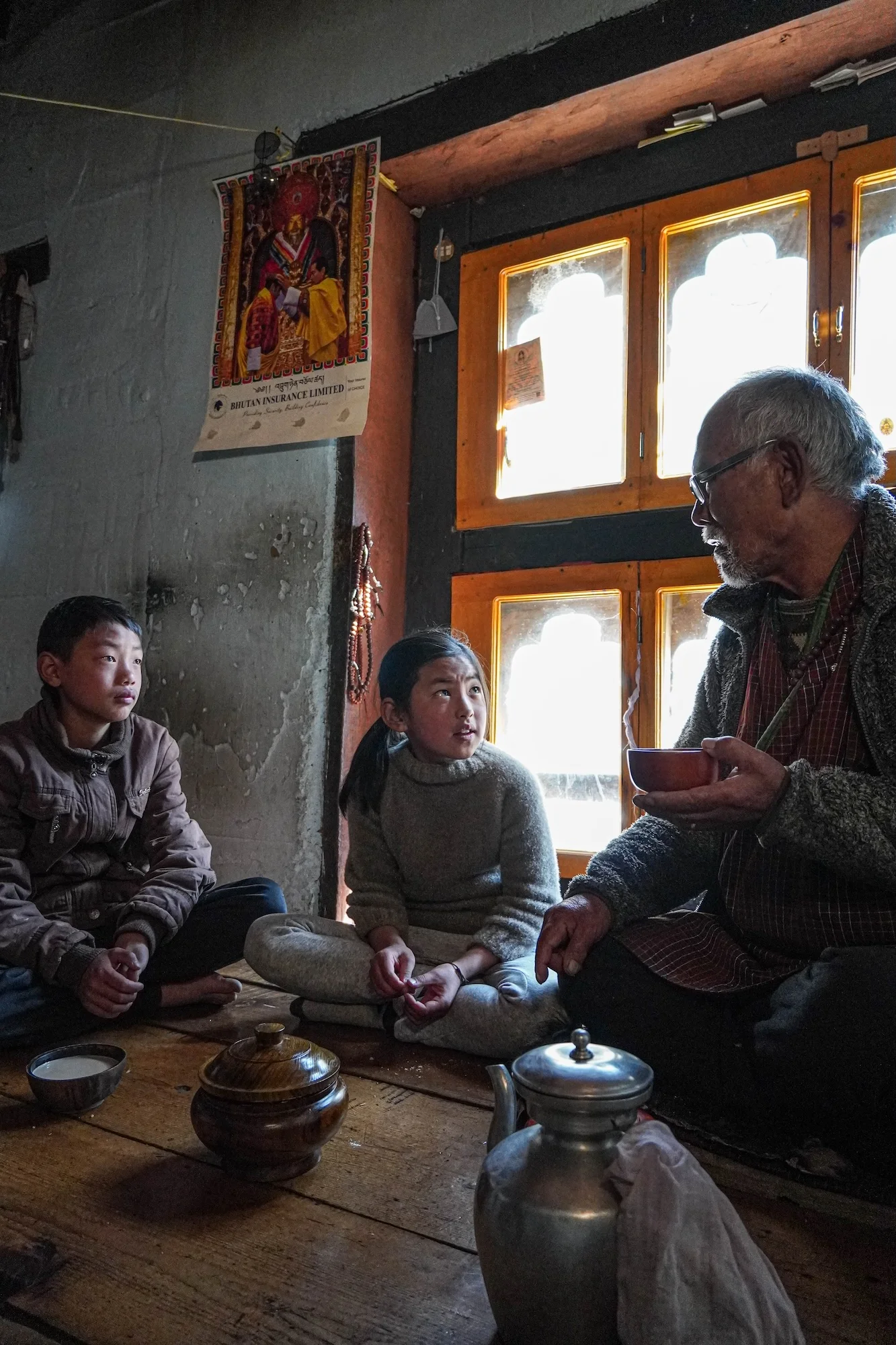
The people of Haa are proud inhabitants of their land and enjoy a simple life. Although the main language spoken in Haa is Dzongkha, the people here are also known for their very unique accent.
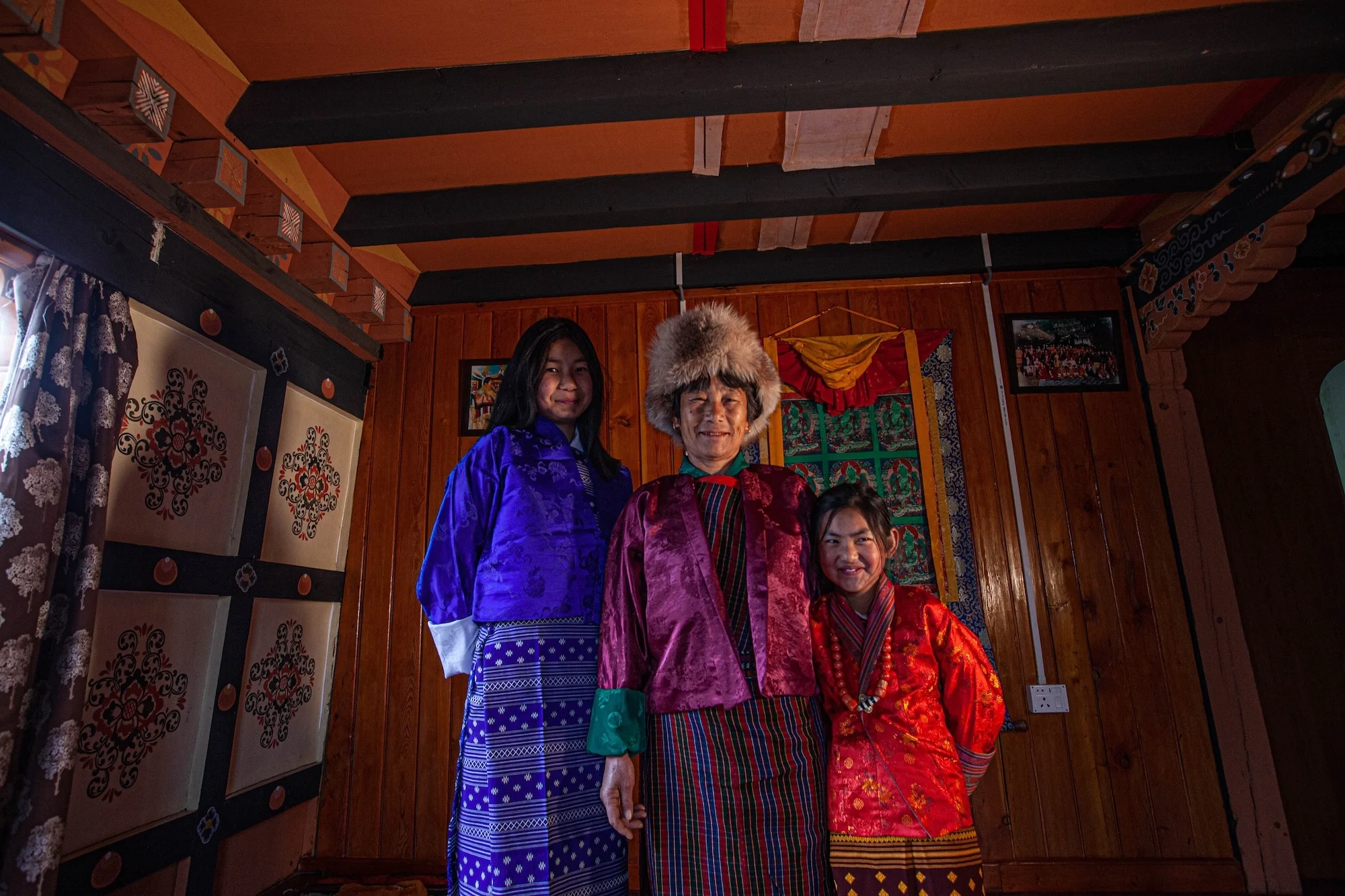
The highlanders of Haa live in remote areas high in the mountains. Their daily life is closely tied to nature, and yak herding. They raise yaks, cattle, sheep, and horses, and grow crops like barley, potatoes, and wheat. Life here follows the seasons – planting in spring, harvesting in autumn, and looking after livestock year‑round. This connection to the land shapes both work and social life. If you ever embark on the Nubtshonapata trek, you will get the opportunity to witness and interact with these highlander families who have migrated to their camps in summer (April to August). Notice what their camp is made of and their daily routines.
Although semi-nomadic lifestyles of Haa are interesting to note, the other majority of the population are simple farmers. They rear cattle for milk and dairy products. Grow turnips, potatoes, wheat, buckwheat and other seasonal vegetables. The people of Haa are also known to be Bhutan’s earliest traders with strong bonds with the southern regions with an interesting history of moving to the southern part of the country during the harsh winter months in Haa.
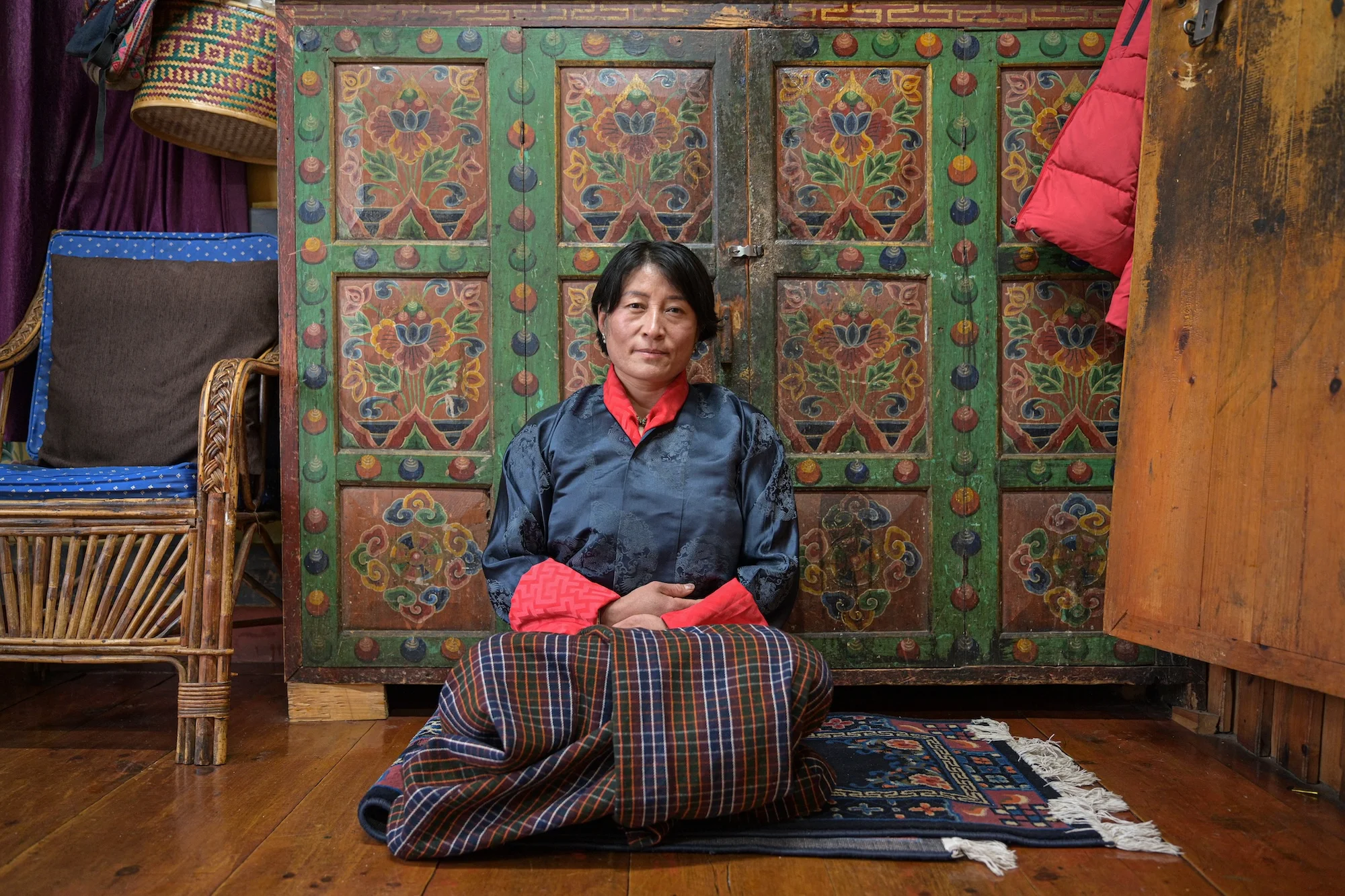
Culture and religion are central to life in Haa. Haa stands as a unique cultural sanctuary in Bhutan, where communities continue to breathe life into countless ancient festivals that remain deeply intertwined with their identity. Among these is Maangda, a vibrant new year welcoming festival characterized by the spirited tradition of villages coming together to play archery, bridging the gap between the young and the old in a celebration of communal harmony and physical skill. The district is also the spiritual home of the Ap Chhundu Festival, dedicated to the powerful local deity and protector of the valley, and various Bongko or shamanistic rituals that date back to pre-Buddhist times. These traditions are not merely historical relics but are actively practiced, alongside a steadfast commitment to ancient customs and distinct food habits, such as the preparation of Hoentay (Haa’s famous buckwheat dumplings). This preservation of living heritage, rooted in the everyday lives of its people, makes Haa one of the most culturally authentic regions in the kingdom.
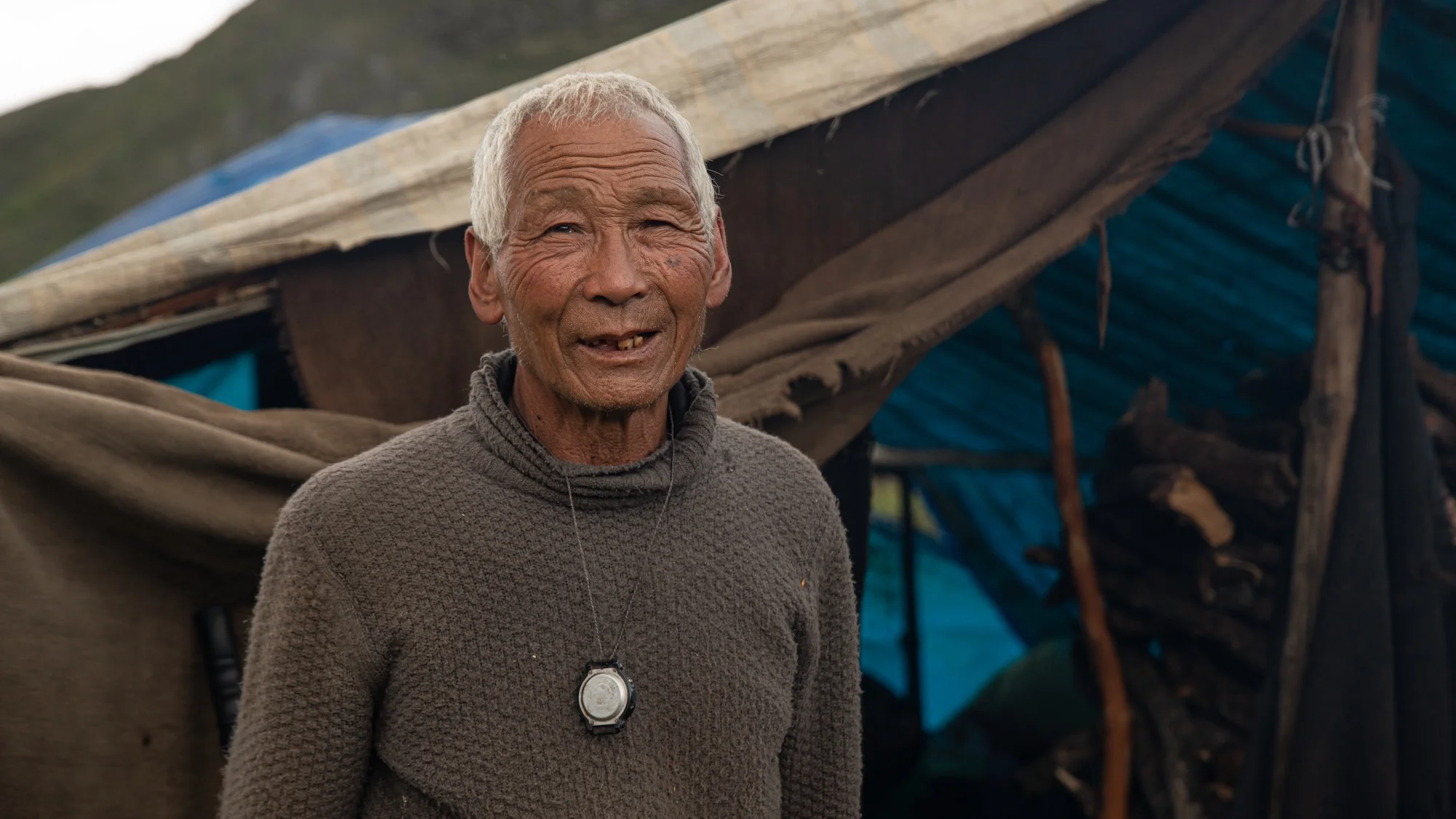
Food in Haa is simple and hearty, made from local produce like potatoes, buckwheat, dairy products, and mountain herbs. Traditional foods and drinks are shared during festivals and family gatherings. The people are also skilled in traditional crafts such as weaving, woolen goods, and wood carving , crafts that reflect both usefulness and cultural identity.
Like many rural parts of Bhutan, Haa has faced migration challenges. Many young people leave their home villages to seek education, jobs, and better opportunities in bigger towns or abroad. This pattern, known in Bhutan as goongtong (empty houses), is becoming more common nationwide when younger generations move away from rural communities for work or schooling. The loss of youth affects local labour, especially in farming, and can weaken social life in the villages.
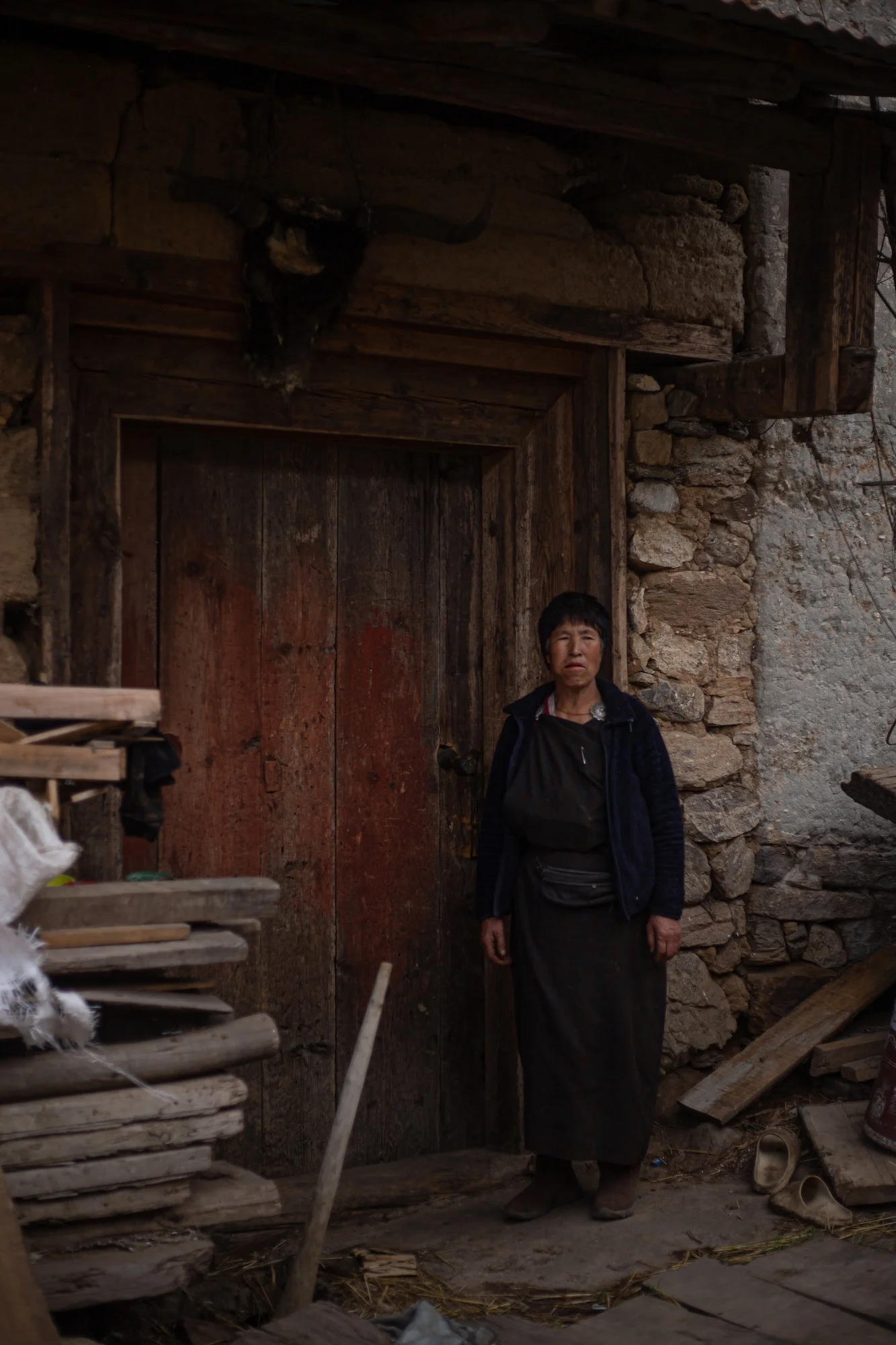
The trend of rural‑to‑urban migration reflects broader challenges: limited job opportunities, pursuit of education, and access to services in urban areas. Governments and local leaders are working to create opportunities locally such as tourism, skills programs and business support to encourage young people to stay and contribute to their communities.
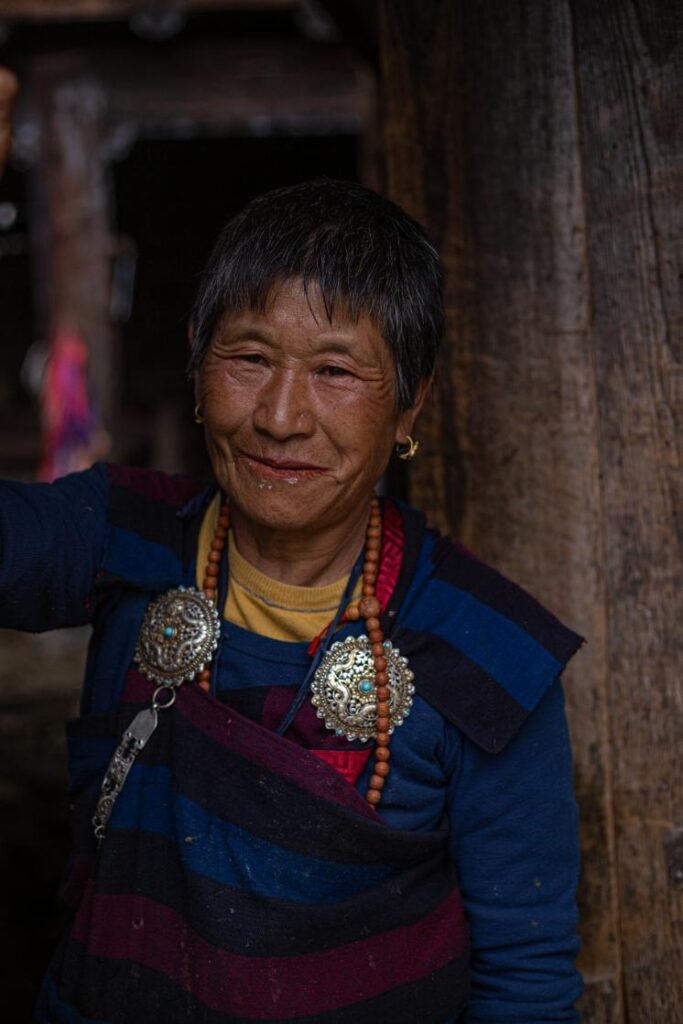
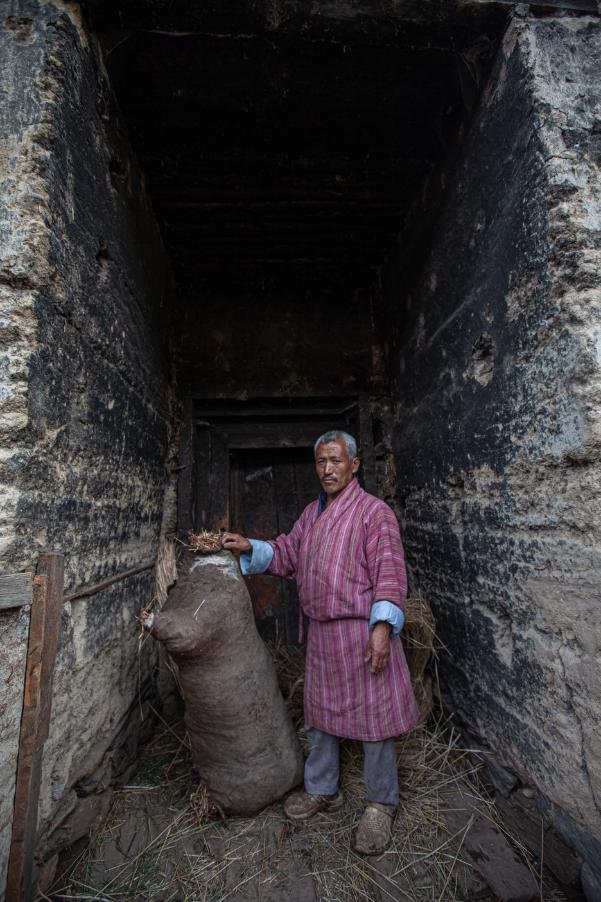
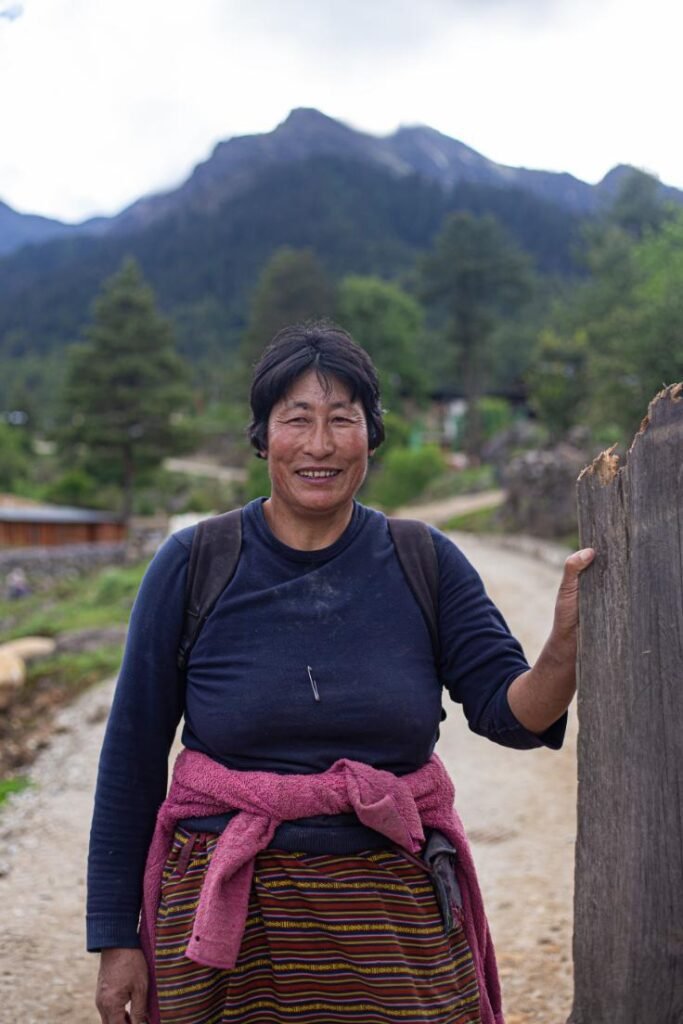
Despite modern changes and migration pressures, the people of Haa remain deeply connected to their culture, community, and traditions. Even today you’ll still witness the local communities continue many ancient festivals and local events spread across the year (check our event calendar for details) Communities support one another through shared work, celebrations, and daily life. Initiatives like local tourism development aim to create new opportunities while preserving the culture and natural beauty of Haa.