Welcome to Haa’s Natural Wonder – the Jigme Khesar Strict Nature Reserve
There’s so much of Bhutan’s untouched nature that feels hidden in Haa, a valley where forests stretch uninterrupted across mountain ridges, rivers carve their way through deep gorges, and ancient trails still echo with the footsteps of pilgrims, herders, and explorers. Often overshadowed by more frequented destinations, Haa remains one of Bhutan’s most pristine landscapes—a sanctuary for nature lovers, trekkers, and wildlife enthusiasts seeking authenticity and solitude.
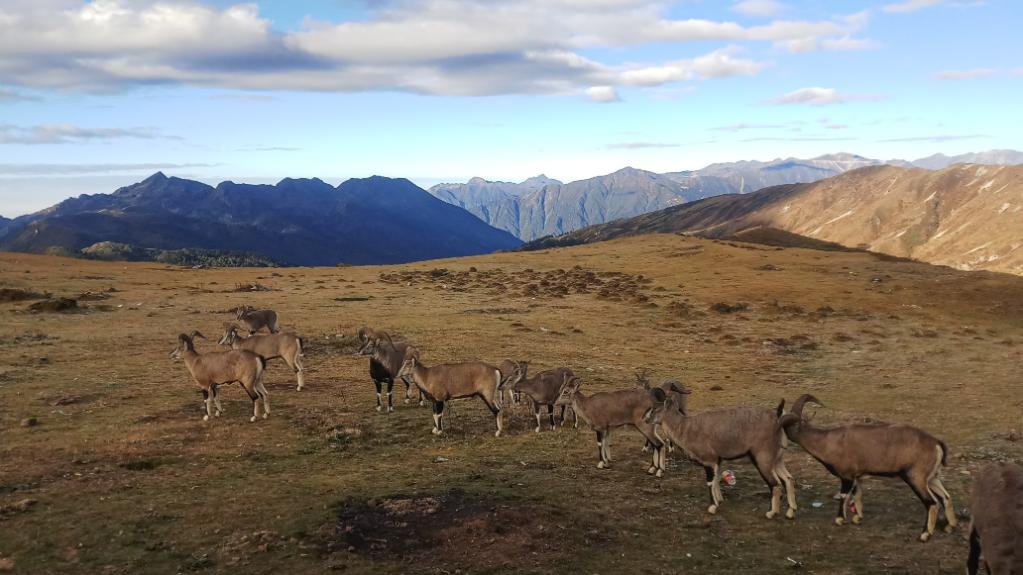
At the heart of this wilderness is the Jigme Khesar Strict Nature Reserve (JKSNR), Bhutan’s only Strict Nature Reserve. Spanning dramatic altitudinal ranges, from subtropical valleys near 800 meters to alpine heights exceeding 4,200 meters, JKSNR protects some of the country’s richest and least disturbed ecosystems. This extraordinary variation in elevation has given rise to a remarkable diversity of habitats, making Haa a stronghold of biodiversity in the eastern Himalayas.
A Living Ark of Biodiversity
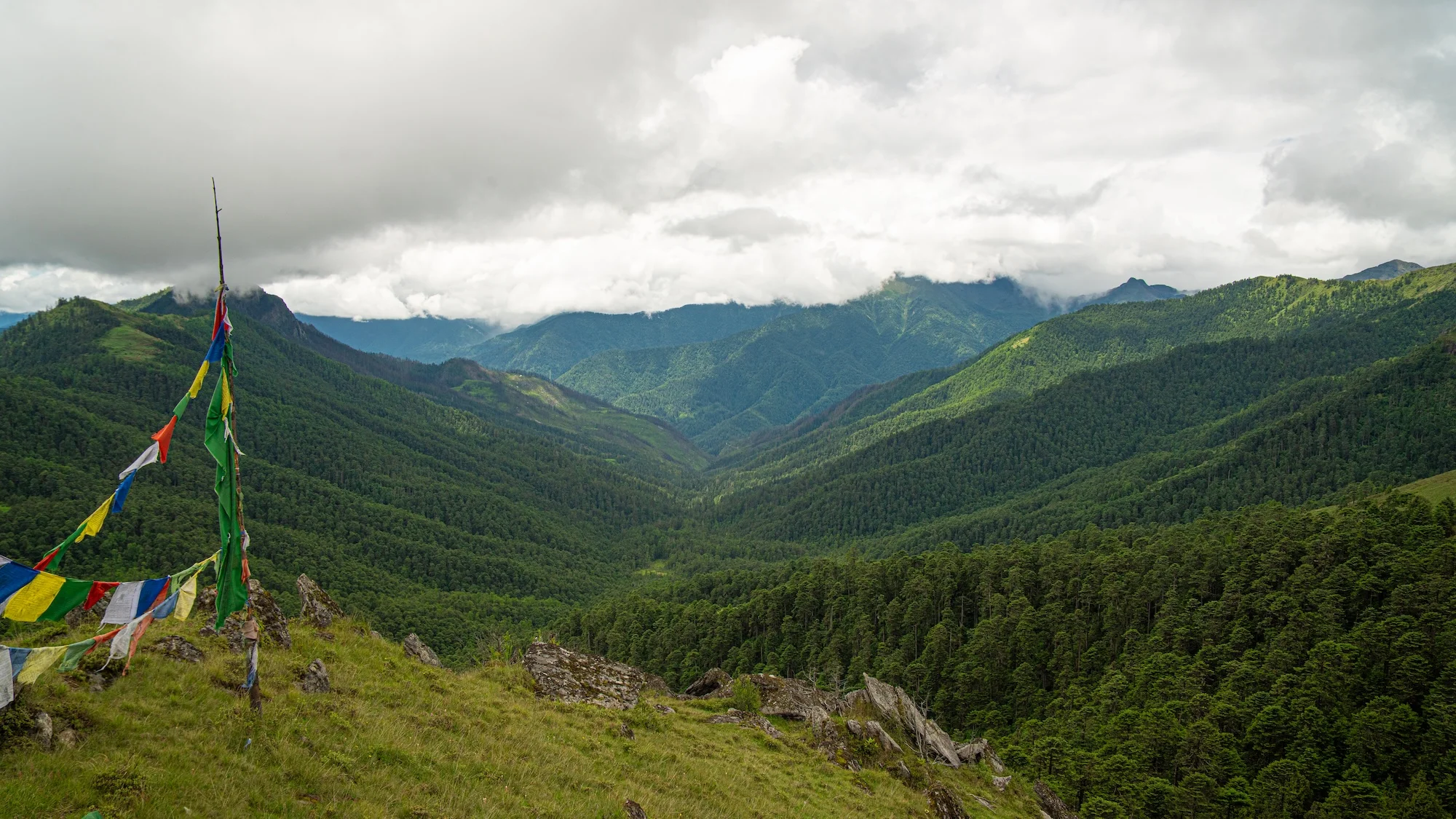
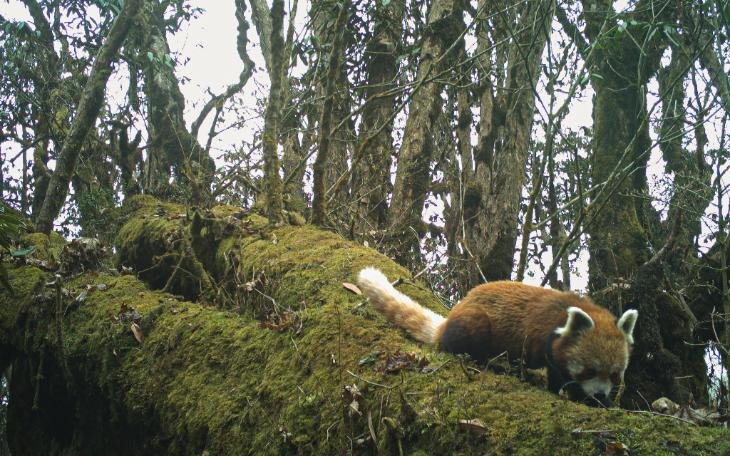
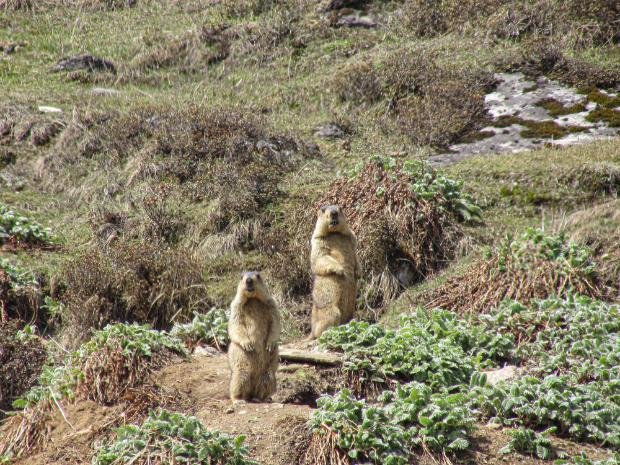
The forests of Haa transition seamlessly from warm broadleaf forests and bamboo thickets to temperate pine, fir, and rhododendron forests, eventually giving way to alpine meadows and glacial lakes. These ecosystems support an impressive range of wildlife, including red panda, snow leopard, Himalayan black bear, musk deer, and countless bird species such as the rufous-necked hornbill and rare pheasants. Seasonal blooms of wildflowers and endemic species like the Himalayan white poppy add splashes of color to the high-altitude landscapes.
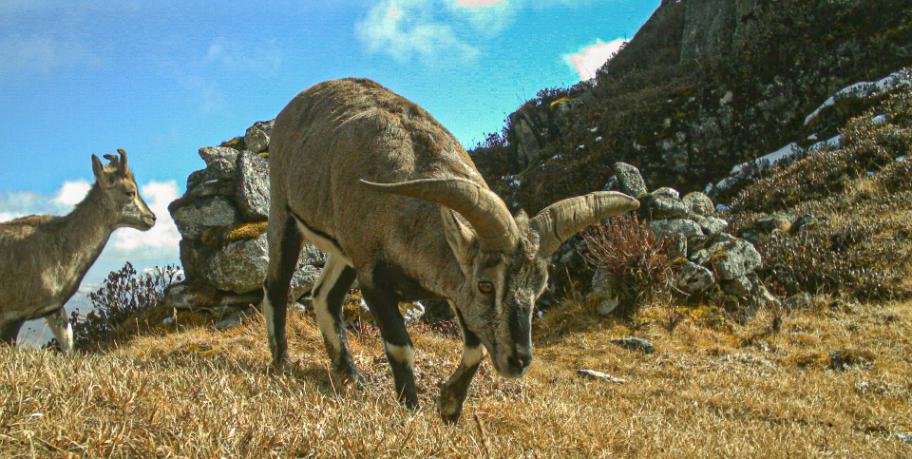
What makes Haa exceptional is not only the presence of these species, but the fact that they thrive in landscapes largely untouched by mass tourism. The reserve’s strict protection status ensures that nature here remains raw, resilient, and deeply sacred to local communities.
Trekking Through Sacred Landscapes
For trekkers, Haa offers some of Bhutan’s most rewarding and least-traveled routes. Trails wind through dense forests, across high mountain passes, along ridgelines with sweeping Himalayan views, and into hidden valleys steeped in legend. The Nubtshonapata Trek, known as the “Great Lake of the West,” leads adventurers deep into JKSNR, where glacial lakes shimmer beneath towering peaks and the silence is broken only by wind and birdsong. This sacred route is also associated with ancient myths, treasure-revealing saints, and the legendary Nublang cattle.
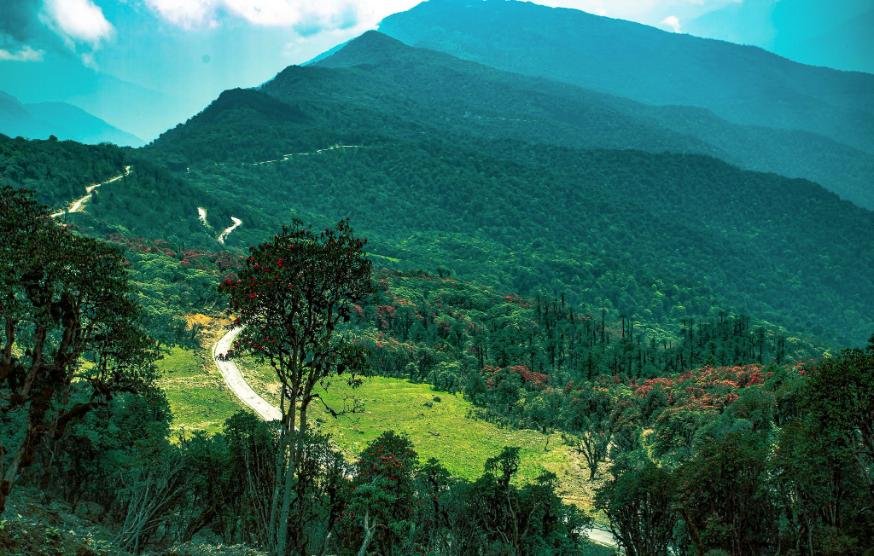
Equally compelling is the Red Panda Trek, descending from cool rhododendron forests into subtropical zones, offering trekkers a rare chance to encounter one of the Himalayas’ most elusive and charismatic mammals in its natural habitat. Other routes, such as the Chelela–Sagala Trek, Panorama Hiking Trail, and Jo Bay Tsho (Hidden Lake) Trail, reward hikers with panoramic views of Mount Jomolhari, sacred lakes, alpine meadows, and forested ridges alive with biodiversity.
Where Nature, Culture, and Community Meet
What sets Haa apart is the seamless integration of nature with living culture. Trekking routes often pass through remote villages, ancient monasteries, and sacred sites, where travelers are welcomed into farmhouses and eco-camps that reflect Bhutan’s philosophy of low-impact, community-based tourism. These journeys are not merely physical adventures, but immersive experiences that connect visitors to the spiritual and cultural fabric of the land.
For those willing to venture beyond the familiar, Haa District offers a rare glimpse of Bhutan as it once was—and as it strives to remain. With its intact ecosystems, rich wildlife, and spectacular trekking routes within the Jigme Khesar Strict Nature Reserve, Haa is not just a destination, but a journey into the heart of Himalayan wilderness. Here, every trail tells a story, every forest shelters life, and every step brings travelers closer to the essence of Bhutan’s natural heritage.