High in the alpine regions of western Bhutan, in the pristine highlands of the Haa, grows a flower found nowhere else in the country or the world – this is the rare White Poppy (Meconopsis superba). Delicate, luminous, and deeply symbolic, this rare bloom is not only a botanical marvel but also a cultural and environmental emblem of Haa’s highland landscape.
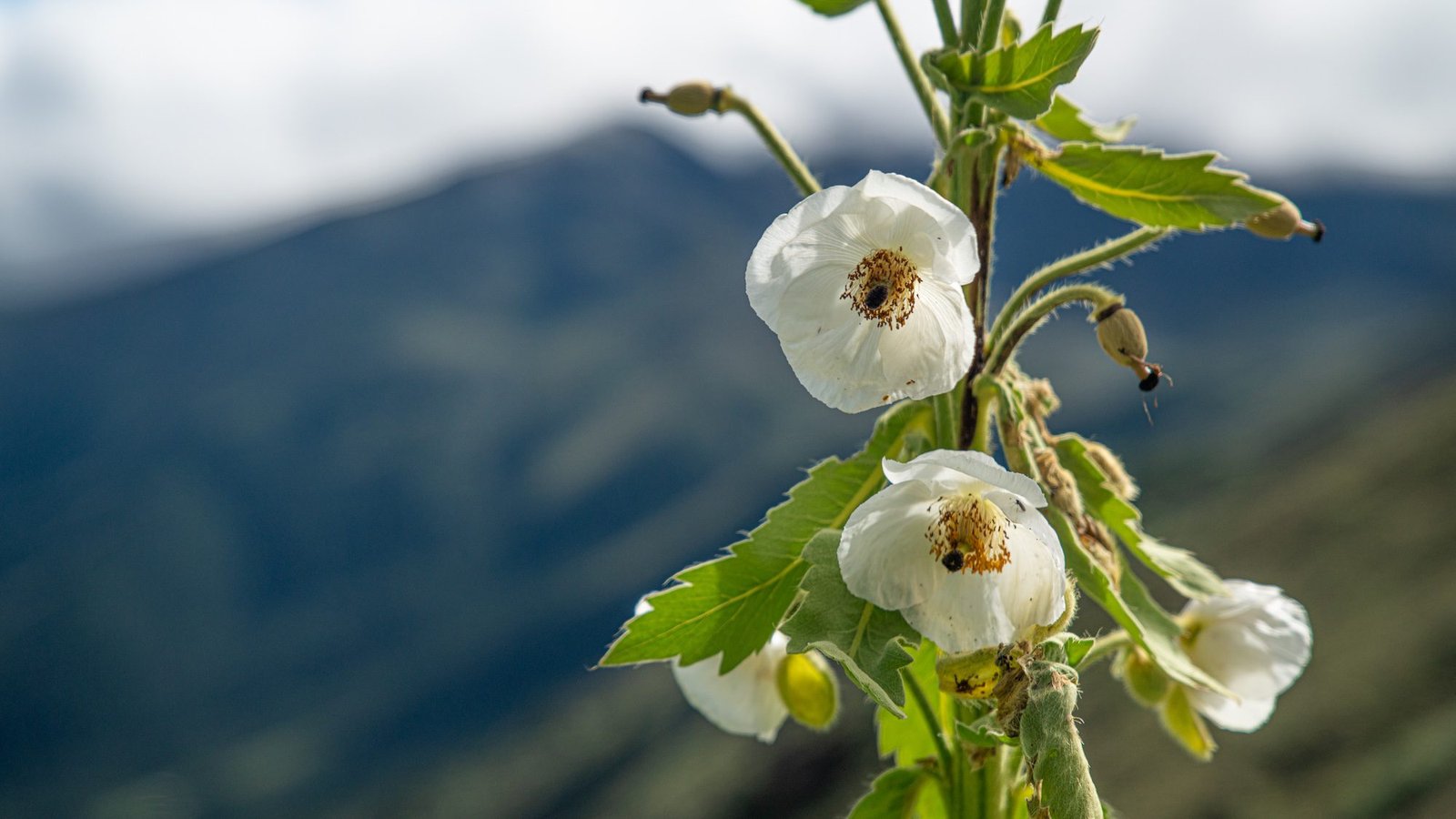
The White Poppy of Haa is scientifically known as Meconopsis superba. Unlike the more widely known Blue Poppy, Bhutan’s national flower, Meconopsis superba is notable for its pure white petals with a soft golden center, giving it an ethereal appearance against rocky slopes and alpine meadows.
For the people of Haa, the White Poppy holds a quiet but profound meaning. White, in Bhutanese culture, symbolizes purity, peace and spiritual protection. Its rarity mirrors the secluded and unspoiled nature of the Haa Valley itself. Locals regard the flower with respect, often associating it with the sacredness of highland landscapes and mountain deities. The fact that it blooms briefly and in remote places reinforces beliefs about humility, impermanence, and harmony with nature.
The White Poppy represents Bhutan’s role as a global biodiversity hotspot, the importance of conserving endemic species and a reminder that some of the world’s most valuable natural treasures are also the most fragile. For scientists, it offers insight into alpine plant evolution and climate adaptation. For conservationists, it underscores the urgency of safeguarding high-altitude habitats that are increasingly vulnerable to warming temperatures.
The White Poppy of Haa is more than a flower. It is a symbol of rarity, resilience, and reverence for nature. Rooted in the highlands and shaped by harsh yet pure environments, it reflects the spirit of Haa itself — remote, sacred, and quietly magnificent.
In preserving this rare bloom, Bhutan preserves not only a species, but a living expression of its commitment to environmental harmony and cultural respect for the natural world.
Best season: Late Spring to Early Summer (March to June)
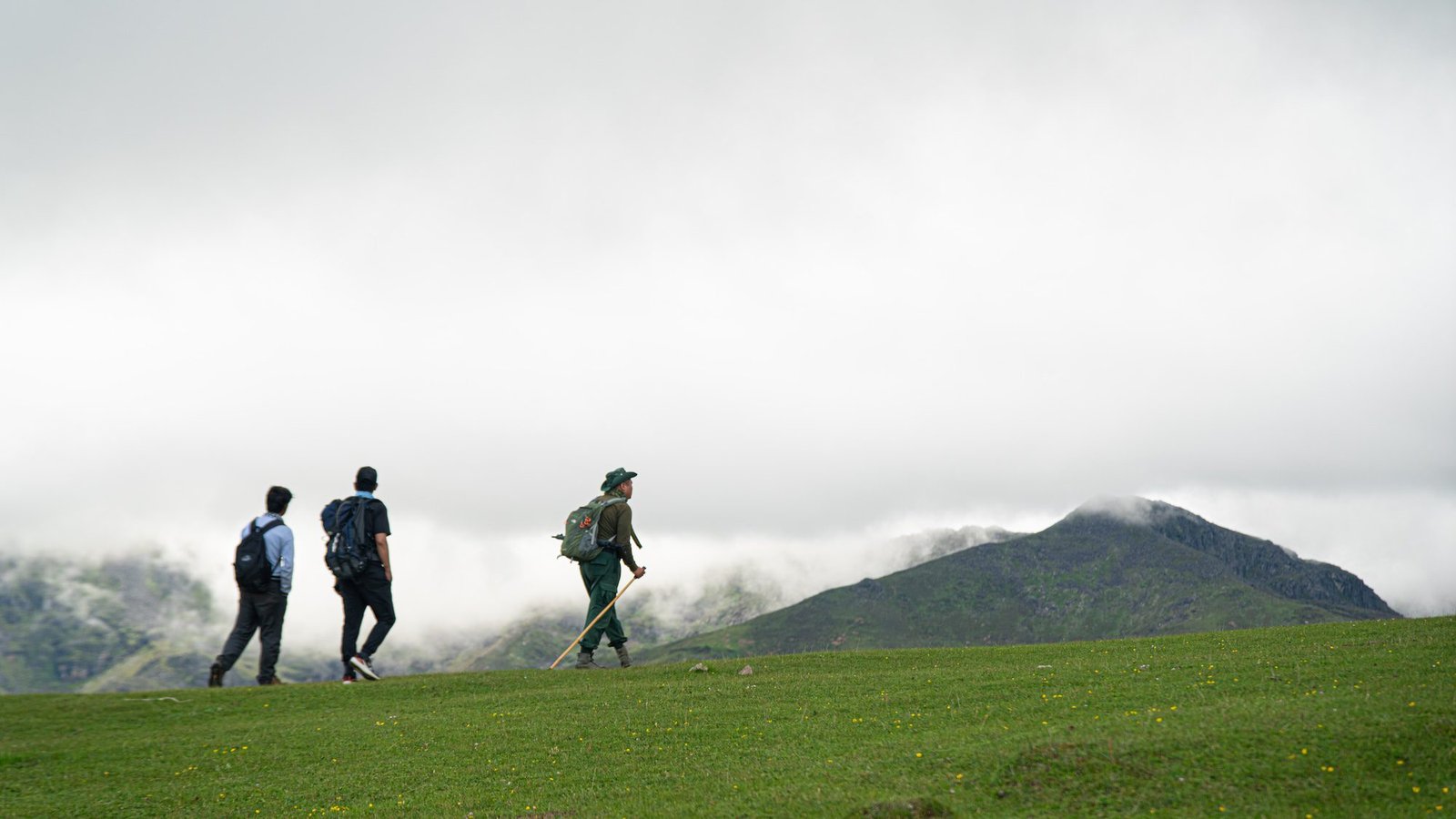
The Nubtshonapata features a dedicated Poppy Trail for sightings in the peak season- inquire with your local guide if you wish to sight this highland poppy.