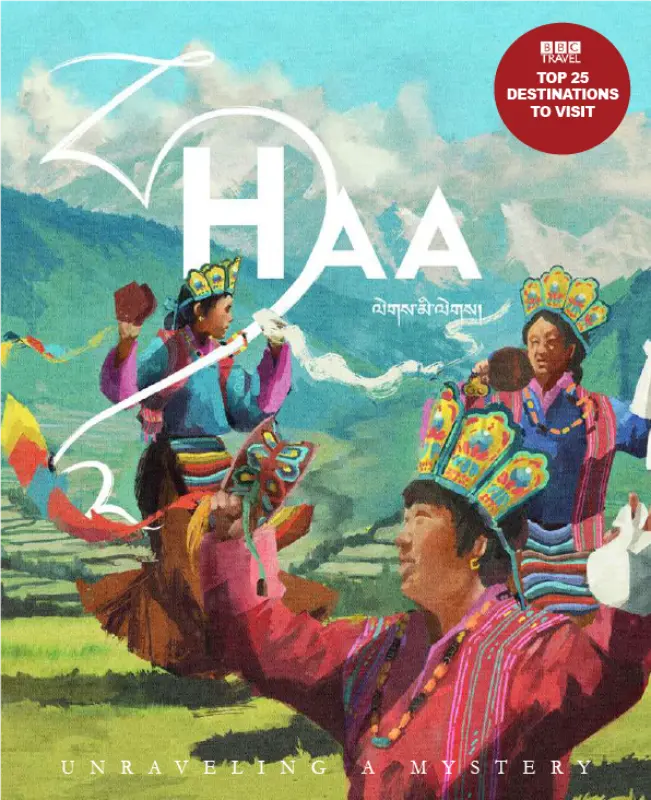
This itinerary is designed for travelers interested in exploring the cultural and local stories and history of Haa.
Day 1: Quaint villages and architectural marvels
Haa opens like a mystery unraveled…so close, yet so secretive. Exploring the architectural landscape of Haa is like stepping back into a meticulously preserved chapter of Bhutanese history. For travelers focused on cultural immersion, the valley offers a rare opportunity to see traditional life and structural artistry that has remained largely unchanged by modern urbanization. This immersion begins with your road trip to Haa (travel from the Dobji Dzong route to enjoy beautiful village sights along the mountain ridges of western Bhutan).

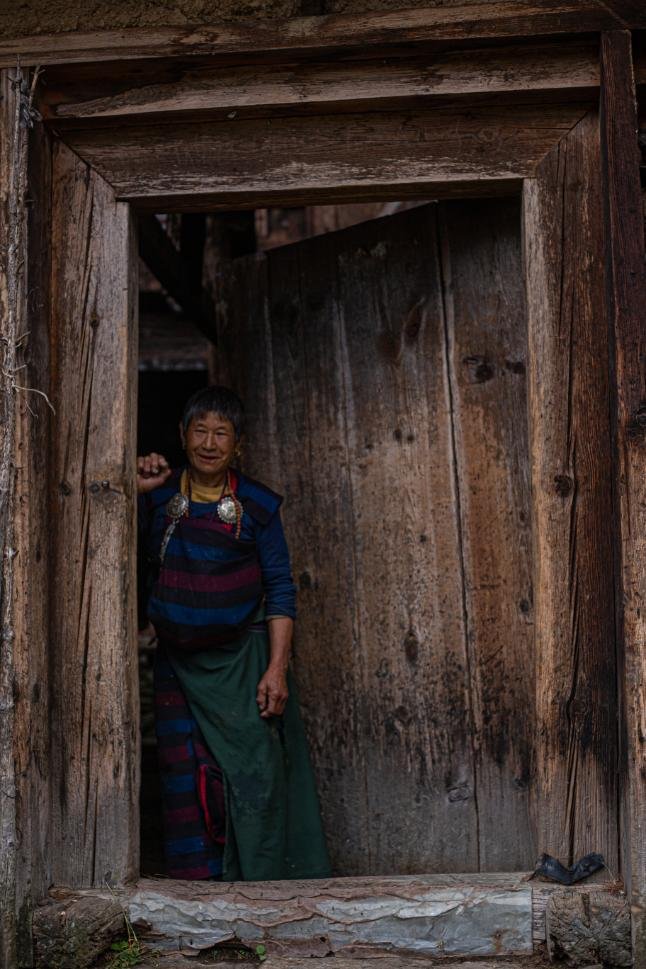
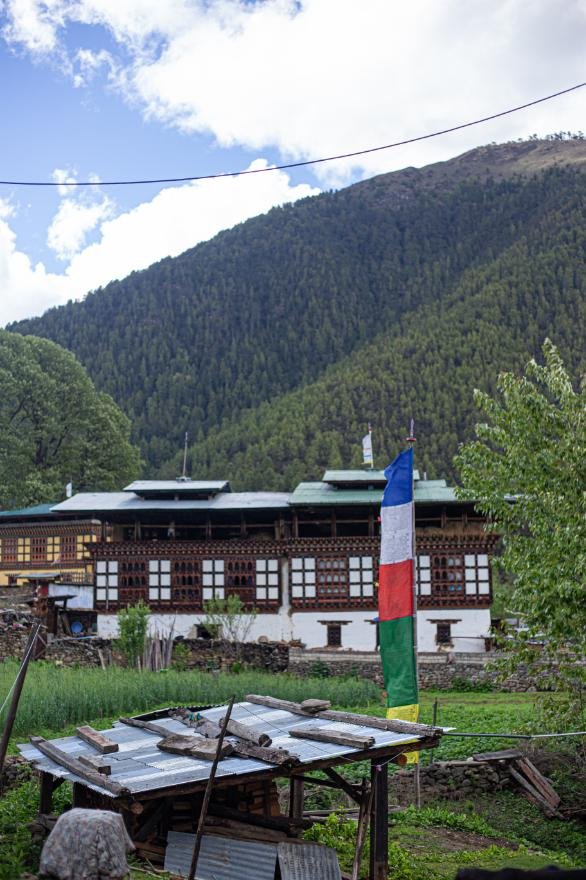
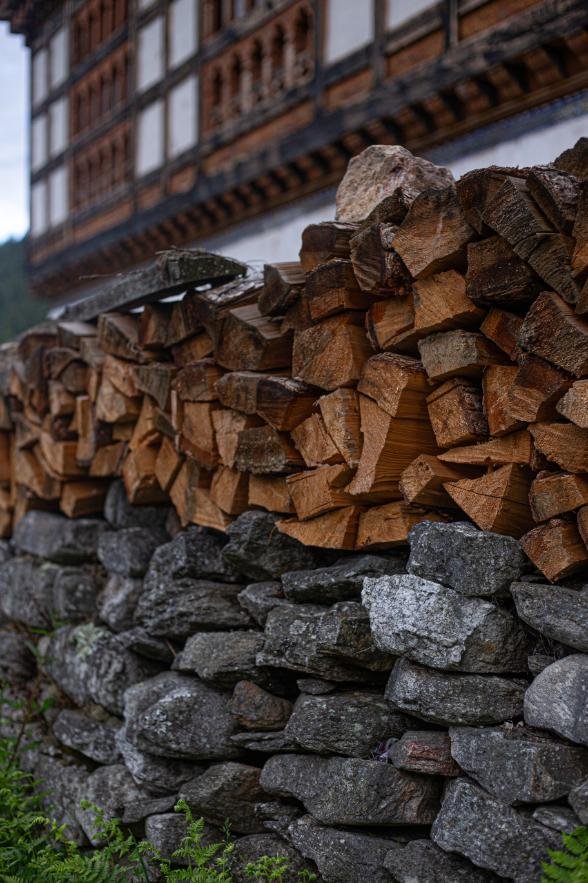
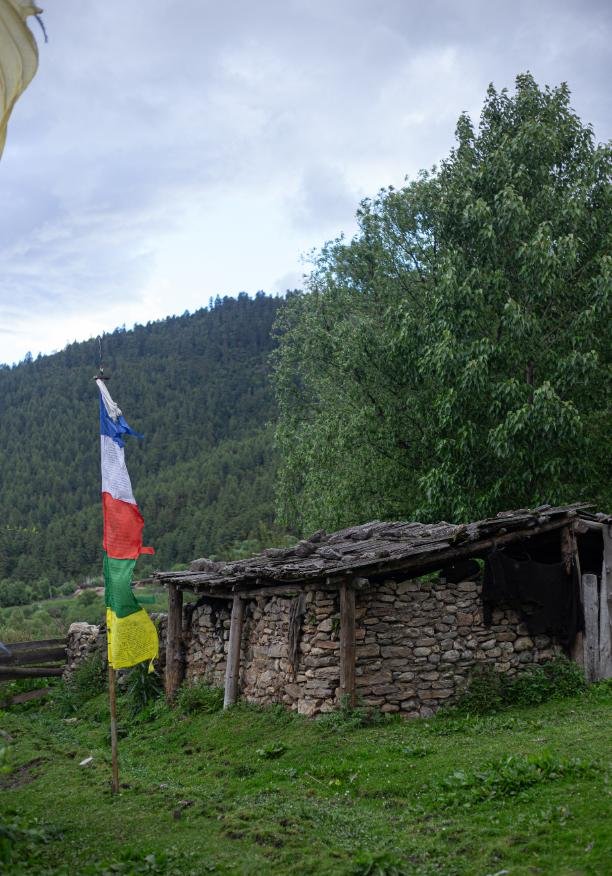
After checking into your hotel or homestay, spend the afternoon going for walks in the village clusters of Haa. Beyond the temples lie the quaint villages of Dumchoe, Yangthang, and Katsho. Here, the architectural beauty is found in the high-walled, three-story farmhouses made of rammed earth and timber. These structures are often decorated with traditional motifs and hand-painted floral designs on the window frames. Many of these homes serve as homestays, where the interior is centered around the Bukhari (wood stove), the heart of the Haap household. Staying here provides a first-hand look at the “ancient food habits” and hospitality that define the region. Enjoy an authentic homecooked dinner at a local homestay and bask in a steamy bath in their local hot stone baths.
Day 2: Temples and Cultural History
The Grandeur of the Twin Lhakhangs
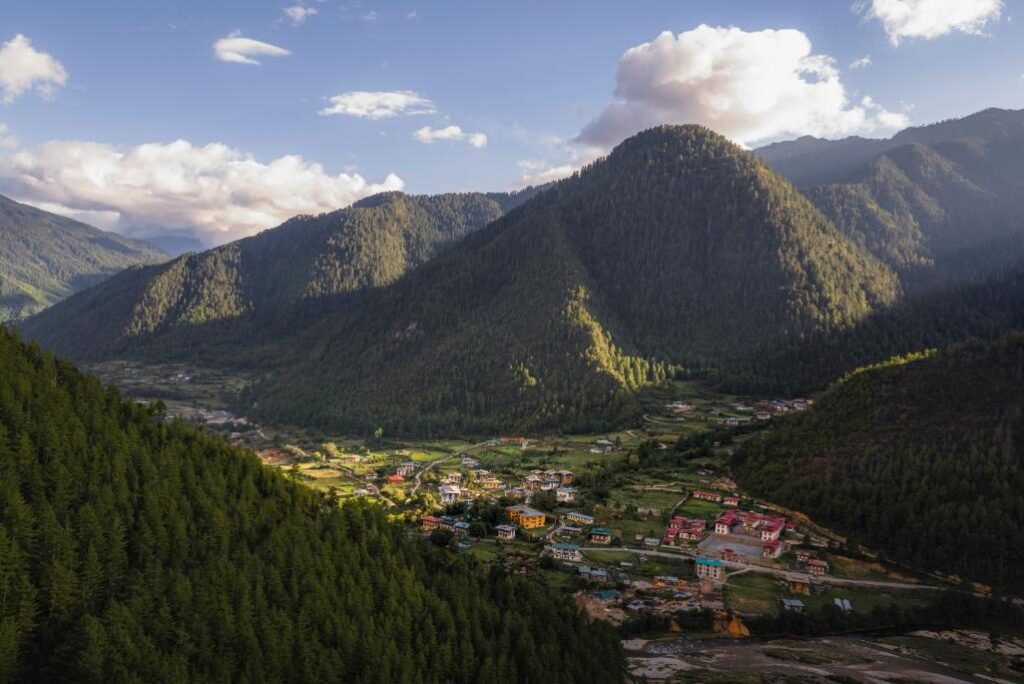
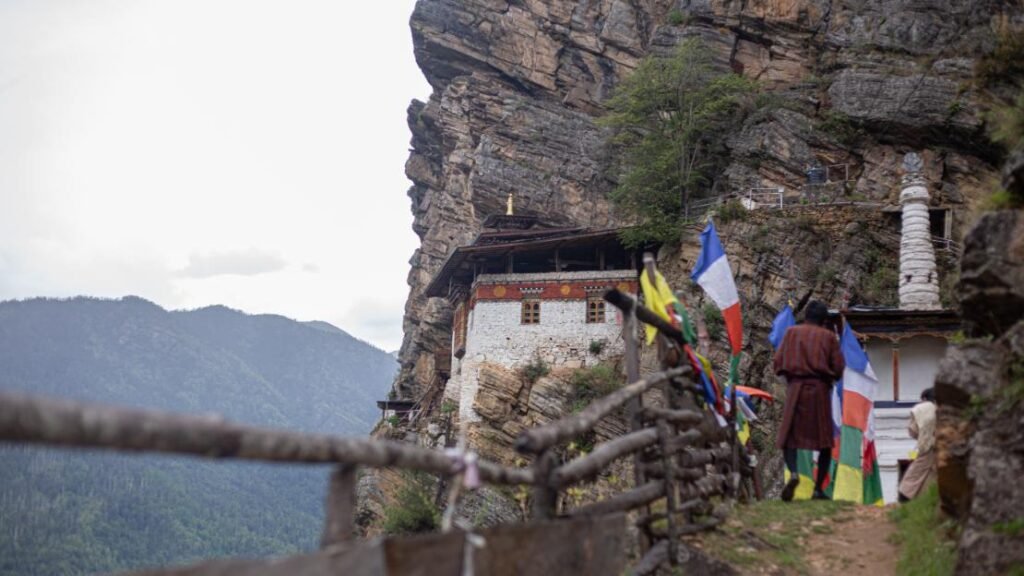
A culture tour usually begins at the valley’s spiritual center, where the Lhakhang Karpo (White Chapel) and Lhakhang Nagpo (Black Chapel) stand in stark, beautiful contrast. Built in the 7th century, these temples are masterpieces of Bhutanese craftsmanship. The White Chapel, with its expansive courtyard and intricate woodwork, reflects a sense of celestial peace, while the Black Chapel, nestled against the mountainside, exudes a mysterious, ancient energy. The legends of these temples—believed to have been built on the sites where two rays of light (one white, one black) landed—form the core of Haa’s spiritual identity. You can also take a short hike to Juney Drak, a special temple built on the cliffs of upper Katsho village. This short 20 minute hike will take you into a unique history of the temple together with stunning views of this side of Haa.

Learn about the legend of Ap Chhundu. The legacy of Ap Chhundu, the revered protector deity of the Haa Valley, is one of the most sacred and enduring elements of Haa’s spiritual and cultural identity. Deeply rooted in oral tradition, ritual practice, and communal memory, the story of Ap Chhundu is not merely a legend of the past—it is a living belief that continues to guide, protect, and unite the people of Haa. Read more about the protective deity here.
Day 3: The Haaps and the Highlander Way of Life
With a population of about 13,849 as of 2023, the people of Haa live in very close-knit villages spread across valleys and highlands, where community life is strong and rooted in tradition. The people of Haa are proud inhabitants of their land and enjoy a simple life. Although the main language spoken in Haa is Dzongkha, the people here are also known for their very unique accent. Stay at a local homestay and enjoy witnessing the family prepare traditional local meals in their kitchen.
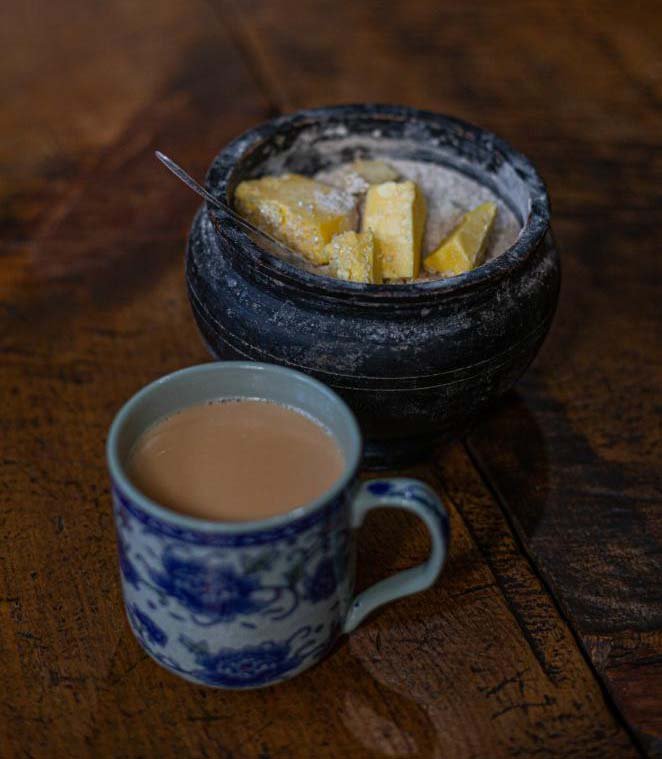
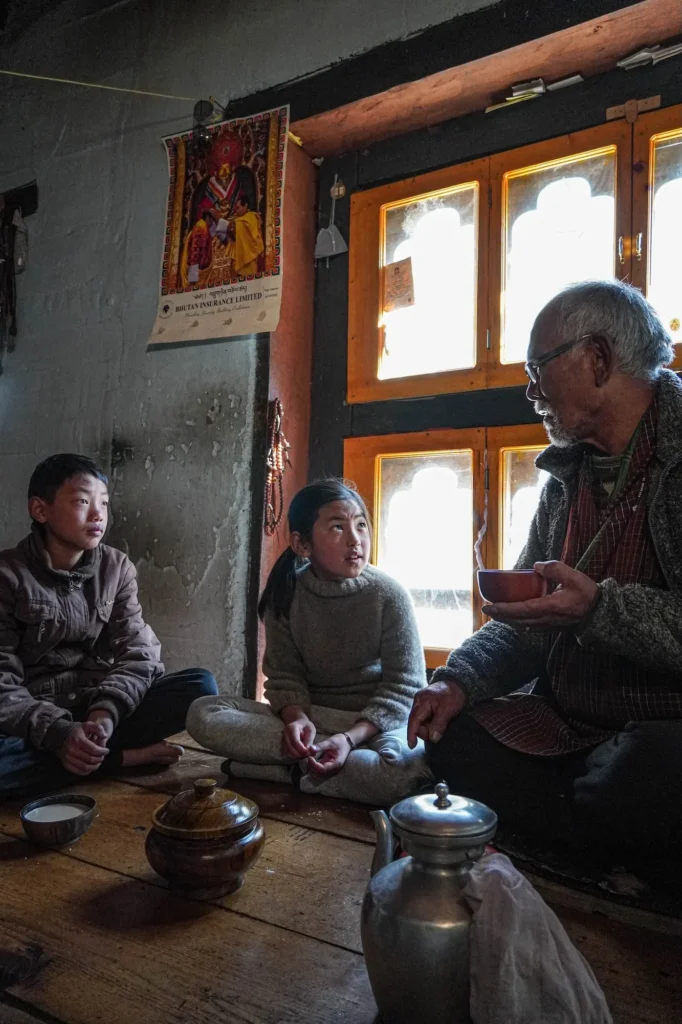
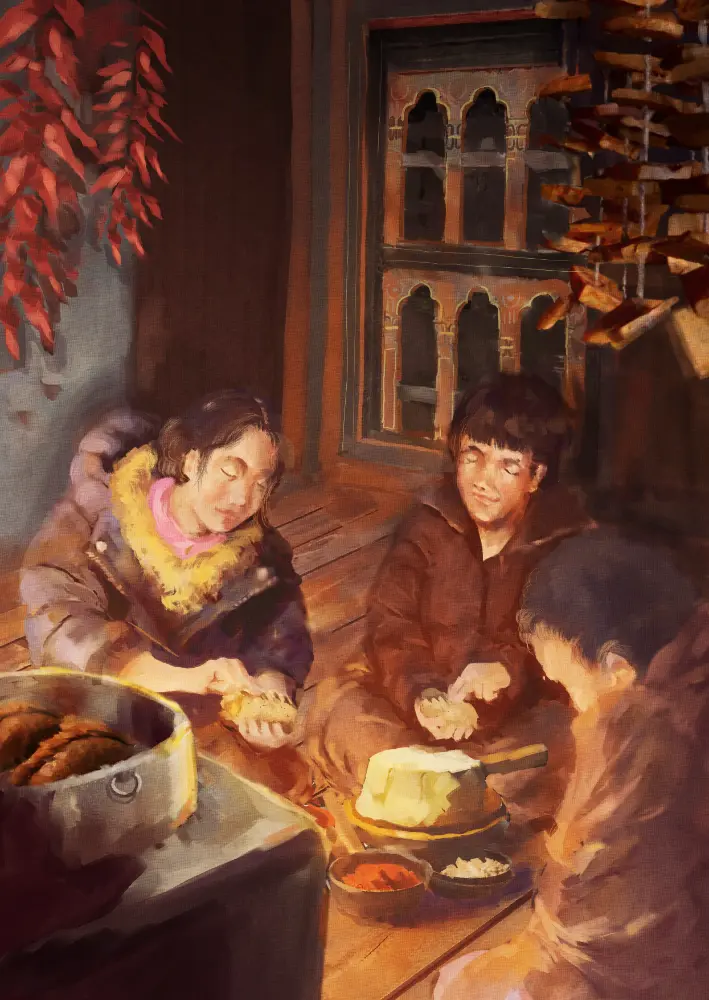
Haa cuisine is defined by hardy grains, dairy, and high-altitude crops. Buckwheat is especially central – historically, Haa was too cold for rice, so buckwheat and barley (and to some extent wheat) were staple grains. Working with the land, and the abundance of Yaks that were integral to daily life, dishes unlike anywhere else in Bhutan emerged from the historical routes of Haap cuisine. If you’re interested to explore the cuisines in Haa, you can experience the many homestays that Haa has to offer. Besides that, you can also visit the annual Haa Spring Festival to enjoy the flavours of Haa at the many food stalls at the event. Try the unique Philu cheese and dried yak meat with ezey.