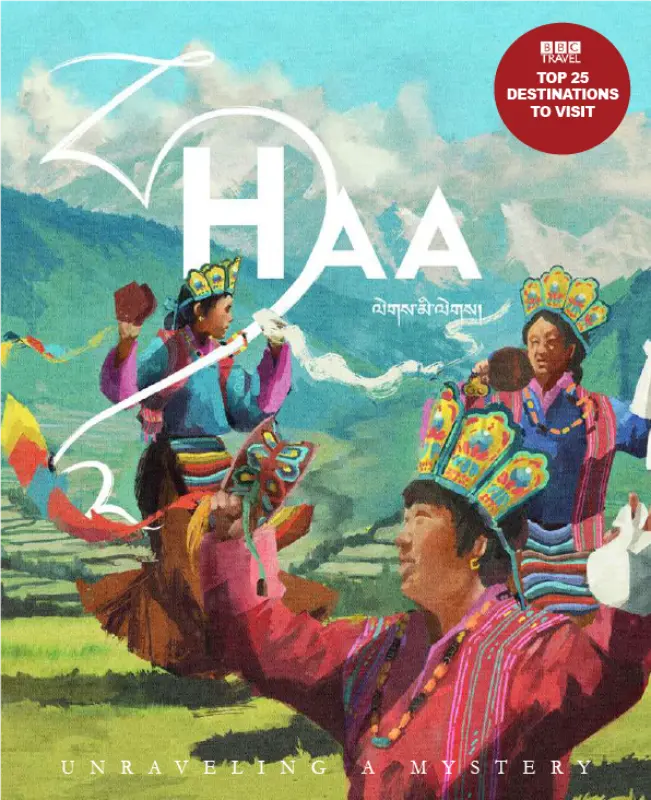
Deeply rooted in the oral history of the Haa Valley, Chhundu Gongzhey is more than just a song; it is a profound act of devotion in praise of Ap Chhundu, the supreme local deity and protector of the region.
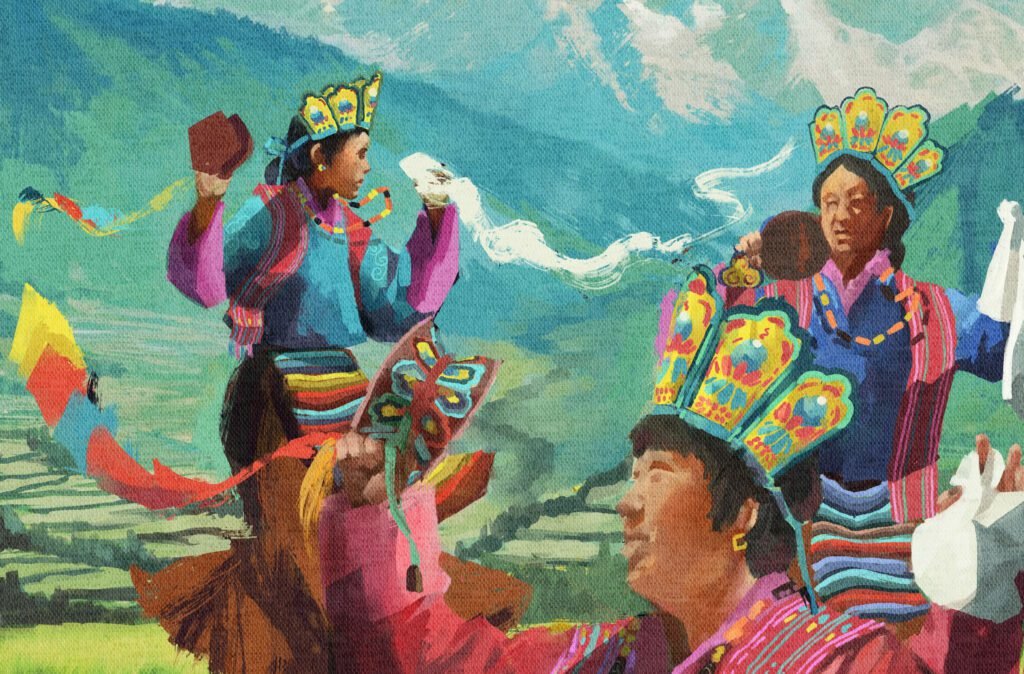
Chhundu Gongzhey is one of the oldest and most treasured traditional songs of Haa Valley in Bhutan. Deeply rooted in devotion and oral history, this unique musical tradition is sung in praise of Ap Chhundu, the supreme local deity revered by the people of Haa. Though its melody has echoed through generations, locals today fear that Chhundu Gongzhey may slowly fade away, as younger generations show little interest in learning and performing it.
The song was originally known as Jumbai Pow, a name derived from Jumbi, a region in Tibet where the practice first emerged. A ritual performance called Jumbai Pow was widely practiced in Tibet and over time this tradition made its way into Bhutan. As the lyrics came to focus entirely on praising Ap Chhundu, the song became known as Chhundu Gongzhey.
Oral history suggests that Chhundu Gongzhey has been in existence from the time of our first Lyonchen Jigme Pelden Dorji, although no written records document its exact origin. Today, the song is mostly performed by elderly women from Katsho Gewog in Haa. Their performances are not only musical expressions but also living evidence of cultural continuity passed down through generations.Chundu Gongzhey performers are instantly recognizable by their distinctive traditional attire. They wear a cloth draped over the front of the kira, a crisscrossed and folded rachu, and a traditional headgear known as Rig-nga. During the performance, the women play a Draru, a religious drum that adds rhythm and spiritual depth to the dance.
The origins of Chhundu Gongzhey are also closely linked to Dasho Sonam Rabgay, who was once sent to Tibet as Bhutan’s ambassador. During his stay in Tibet, he gathered women from Jumbi and asked them to perform their traditional dance. It was during this occasion that he observed the performance of Jumbai Paw, which closely resembled what is now known as Chhundu Gongzhey. Upon returning to Bhutan after completing his tenure, Dasho Sonam Tobgay shared this knowledge, and Aum Rinchen Dem of Haa Wangtsa learned the song from him, helping to establish the tradition in Haa Valley.
This insight has been shared with the travel site based on an interview with Ap Phuntsho Norbu, Katsho Gup