Explore the sacred cave of Rangtse filled with stories and Guru’s wonder.
Location– Rangtse: Gakiling Gewog/ Southern Haa
Distance – Appx 70km from Haa town/ 4 hrs.
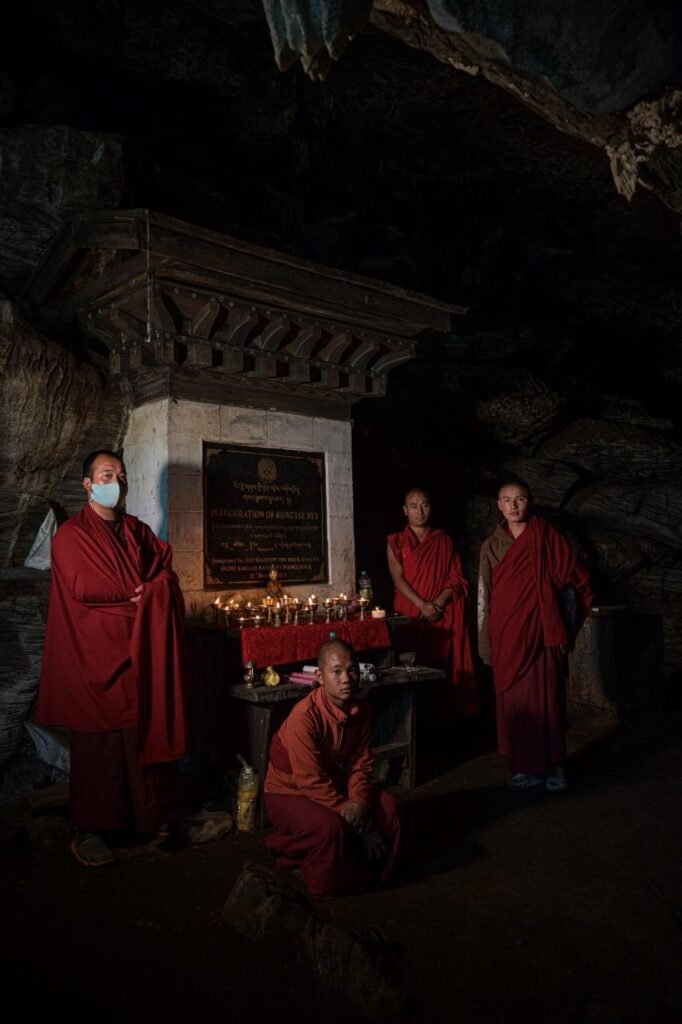
Rangtse Nye is one of the most sacred and spiritually powerful pilgrimage sites in Bhutan. Hidden within the forests of the southern Haa , this holy site is revered not only for its natural purity but also for its deep association with Guru Rinpoche, who is believed to have sanctified and meditated at the site
According to religious texts and oral history, Rangtse Nye is a hidden sacred place (beyul) prophesied by Guru Rinpoche himself. His prophecy states that visiting this sacred site paves the path to realization, and that seven days of meditation at Rangtse Nye is equal in merit to seven years of meditation elsewhere. This belief alone places Rangtse Nye among the most spiritually potent sites in the country.
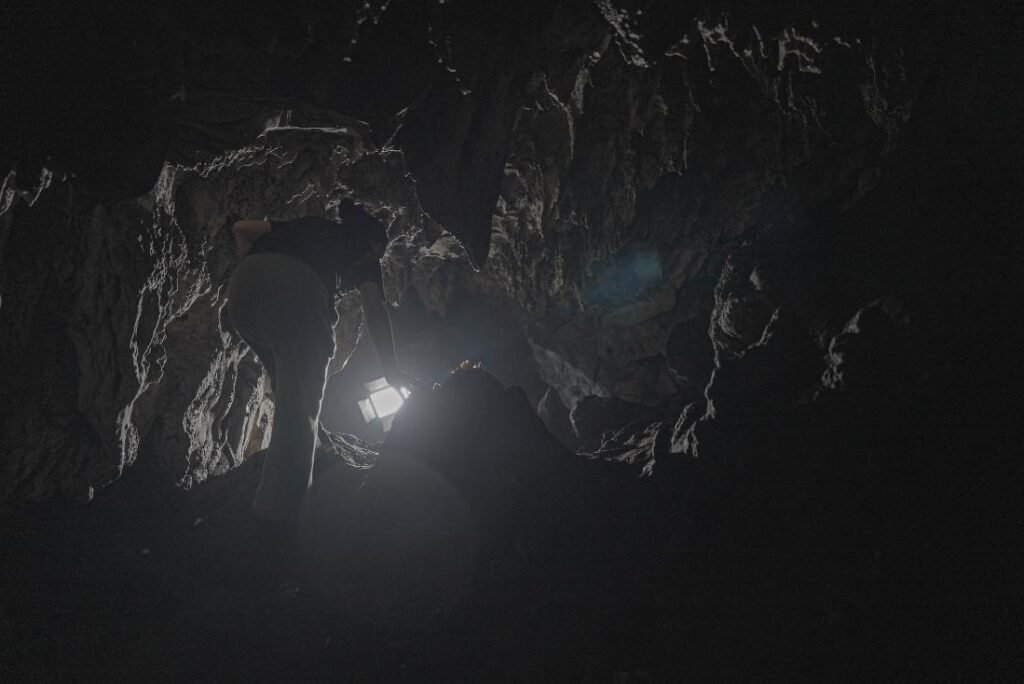
The 30 min hike leading to the Nye seems intimidating initially. The loose soil and the winding path will test you. However as you reach the river bed, the trail usually follows the river up towards the forest. Since the trail to the Nye journeys through the river bed, the Nye is not accessible during summer months. It is only during dry months that pilgrims plan their trips. After 15 min of walking along the river bed, you will come across a small shed that sells refreshments and visitors can rest here before continuing on. From here on, the trail leads you through the forest and it’s an uphill climb. Once you begin to see tall stone structures, you are close. The narrow stone steps are carved along a steep cliffside, with sturdy railings guiding visitors through the forested slope. The trail demands slow, mindful movement, naturally preparing pilgrims for the sacred site ahead.
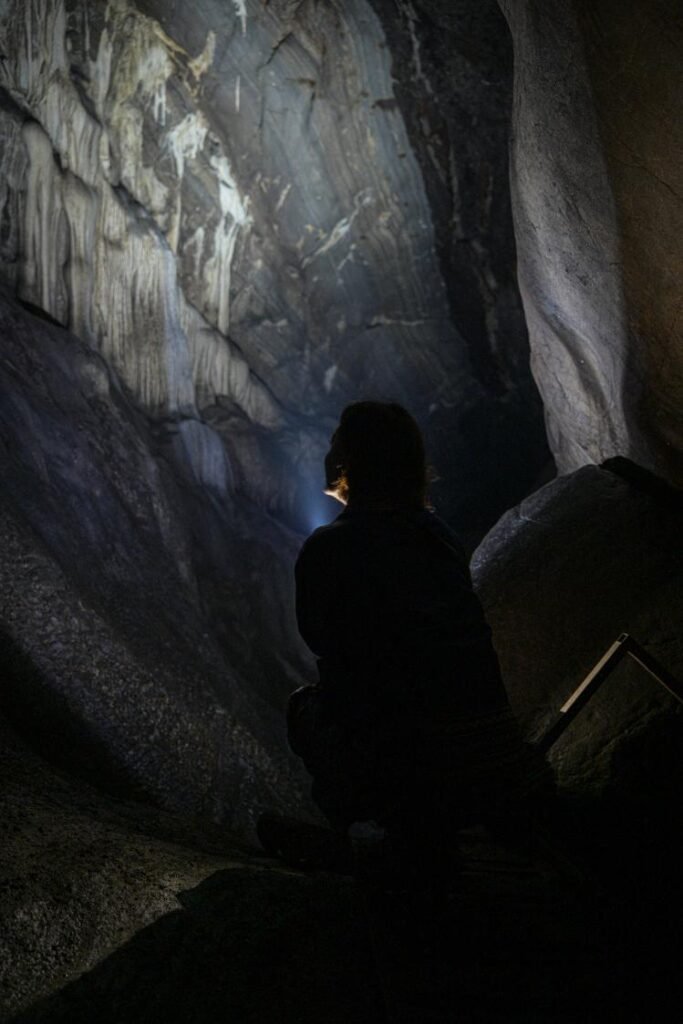
Inside the Nye, the atmosphere feels deeply quiet. The cave is naturally dark, with no artificial light and visitors are advised to carry torches and be mindful of the cave floor which is usually slippery and wet. The dim lights from the torches allow soft light to fall across the uneven rock walls and the impressive stalactites and stalagmites formation. Once inside and away from the only source of natural light, it creates a strong sense of seclusion, as if the space is gently separated from the outside world. The rock formations appear raw and untouched, shaped only by time and nature, adding to the sacred feeling of the place. Standing inside, one feels enclosed yet protected, with the stillness encouraging silence, reflection, and meditation. The simplicity of the cave, free from artificial structures, enhances its spiritual power and reinforces the belief that this is a place sanctified by Guru Rinpoche’s presence.
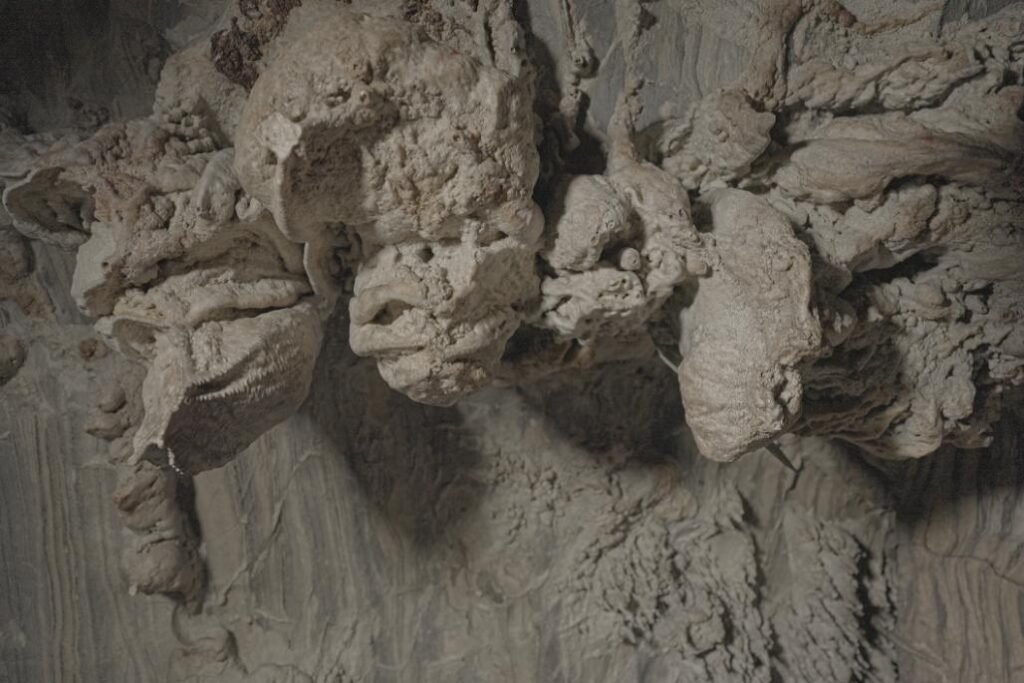
The sanctity of Rangtse Nye is further strengthened by its recognition in historical religious literature. The 69th Je Khenpo of Bhutan, Je Khenpo Gyaltshen Rinchen, mentioned Rangtse Nye in Lhodruk Choejung as one of the great sacred places of Bhutan. Over centuries, many prominent religious figures are said to have visited the site, including Khandro Yeshey Tshogyal, who is believed to have meditated there, leaving behind a meditation cave. Sacred caves, natural rock formations, and symbolic imprints found at the site are regarded as manifestations of Guru Rinpoche’s enlightened activities
For a long time, Rangtse Nye remained largely undisclosed, preserved through oral tradition rather than written records. Its recognition in recent years has helped revive and protect this spiritual heritage, aligning with Bhutan’s commitment to preserving culture and tradition. Unlike many pilgrimage sites shaped by human structures, Rangtse Nye remains a natural and untouched spiritual landscape, offering pilgrims a rare opportunity for quiet reflection, devotion, and inner transformation.
Useful Information: Soembaykha Guest House
Contact: 17952845
Rangtse Ecolodge Contact: 1794850
Rangtse Ney Koenyer Contact: 17963491