1. Visit Lhakhang Karpo and Nagpo
Spirituality meets stunning architecture at the largest temple in Haa Valley, Lhakang Karpo. Housing the District Monastic Body of Haa, it is among Bhutan’s oldest temples, built originally as one of the 108 monasteries built in a day by the Tibetan King Songtsen Gempo in the 7th century. Legend has it that the king released two pigeons, one white and one black, from his consciousness to select the sites to build the temples in Haa valley. As such, Lhakang Karpo and Nagpo, the White and Black temples, stand there to this day keeping watch over the valley.
Its name means “White Temple,” and it is the main seat of Haa’s protective deity, Ap Chundu. A smaller temple standing nearby, Lhakang Nagpo, the Black Temple, was also built in the 7th century and is home to the guardian deity Da Do Chen. There is an underground sacred pool inside. These temples are a short, 10 minute drive from the Haa Administration office.
2. Try making hoentey and other Haa dishes in a Haap Homestay
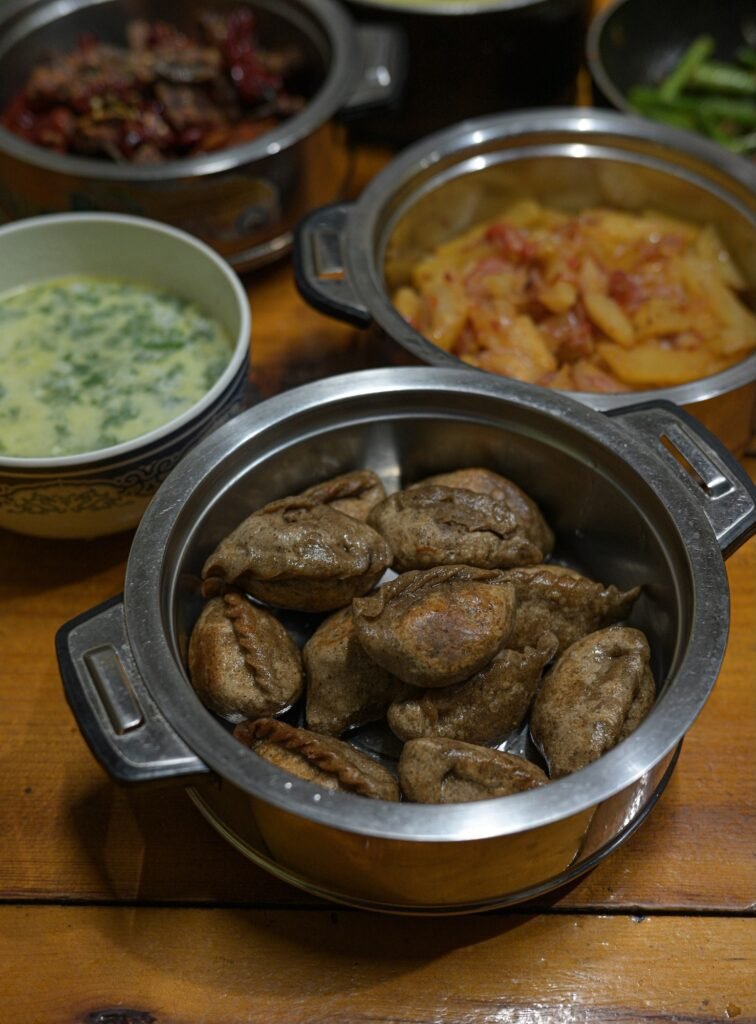
Haa is arguably most famous throughout Bhutan for one thing: hoentey. These savory, buckwheat dumplings are vivaciously stuffed with a mixture of turnip leaves, Zimtse (perilla seeds), cottage cheese, and butter, seasoned with chili powder, onion and ginger. Traditionally served only during Lomba, the new year celebration, you can order hoentey almost year round now, fried or steamed depending on your preference. Every household has a slightly different rendition of this small but mighty bundle of buckwheat- it’s best sampled first and foremost at your local homestay. If you ask kindly, your homestay host would be happy to teach you how to make it! Spend an afternoon near the bukhari, rolling and pinching the brown dough and mixing the filling. Enjoy hoentey as fresh as it can get!
3. Star-gazing in Chelela
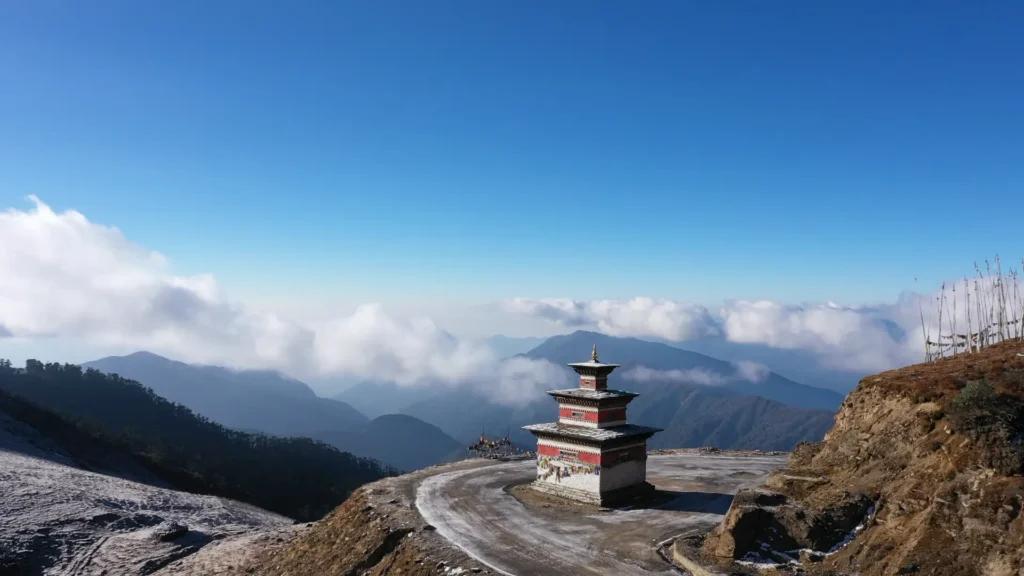
At an elevation of 3,988 meters (13,083 ft), Chele La Pass is the highest motorable point in Bhutan, providing an unparalleled vantage point for stargazing. Located about an hour drive from Haa town, the pass sits far above the light pollution of the valleys, offering a sky so clear that the Milky Way often appears with startling definition. Because it separates the Paro and Haa valleys, the pass offers a 360-degree horizon where the silhouettes of sacred peaks like Mt.Jomolhari and Jichu Drake frame the celestial display.
To experience the stars here, ask your guide to arrange an evening stargazing session- catch a sunset on the drive up to Chelela, and dress in heavy layers. Temperatures at this altitude can drop well below freezing once the sun sets. Bringing a headlamp and a tripod for long-exposure photography. Top it off with a thermos of warm butter tea or hot chocolate.
4. Scenic drive to Tergola
Located about an hour’s drive from Haa town, Tergola pass sits at approximately 4,135 meters (13,566 ft), making it one of the highest mountain passes in the country. The route winds through dense rhododendron and juniper forests, occasionally opening up to reveal sweeping views of the Himalayan range, including the world’s third-highest peak, Mt. Kanchenjunga. Often referred to locally as the “hidden treasure door,” the area around the pass is steeped in spiritual significance and remains largely untouched by mainstream tourism- you may only encounter local yak herders.
Enjoy a picnic lunch at the top of the pass or use it as the starting point for the famous Tergo-La Trek, a multi-day journey that explores the surrounding alpine meadows and sacred lakes. When planning your visit, aim for the spring (March to May) or autumn (September to October) months to ensure the roads are clear and the mountain views are at their most spectacular.
5. Hospitality in Haa
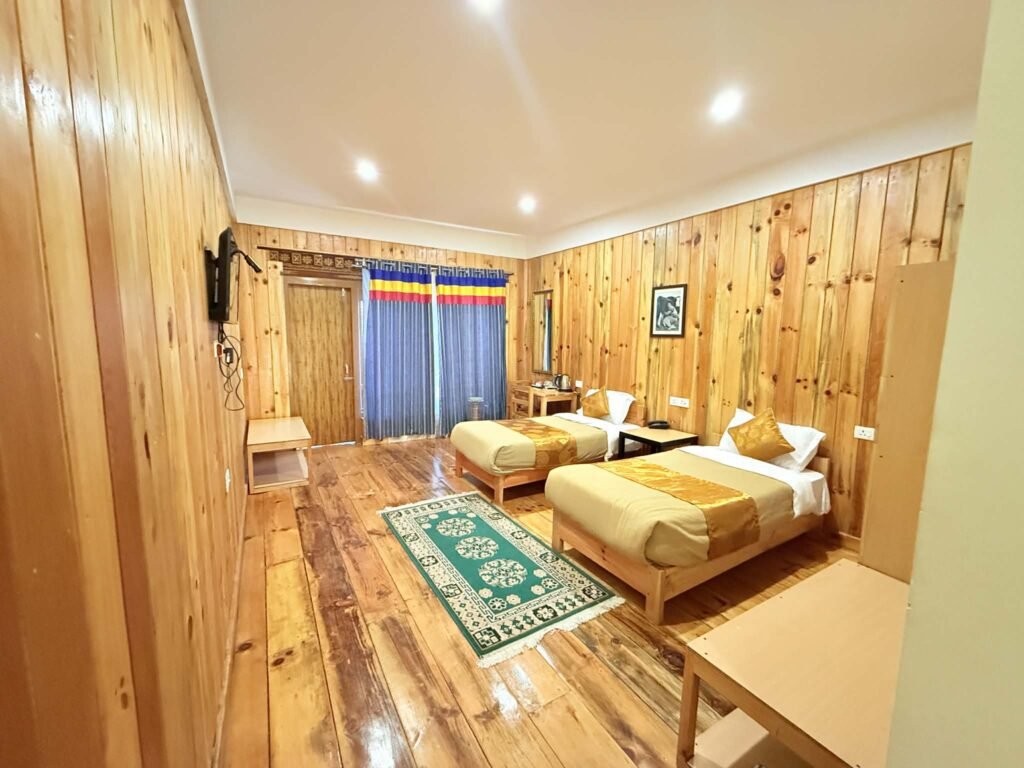
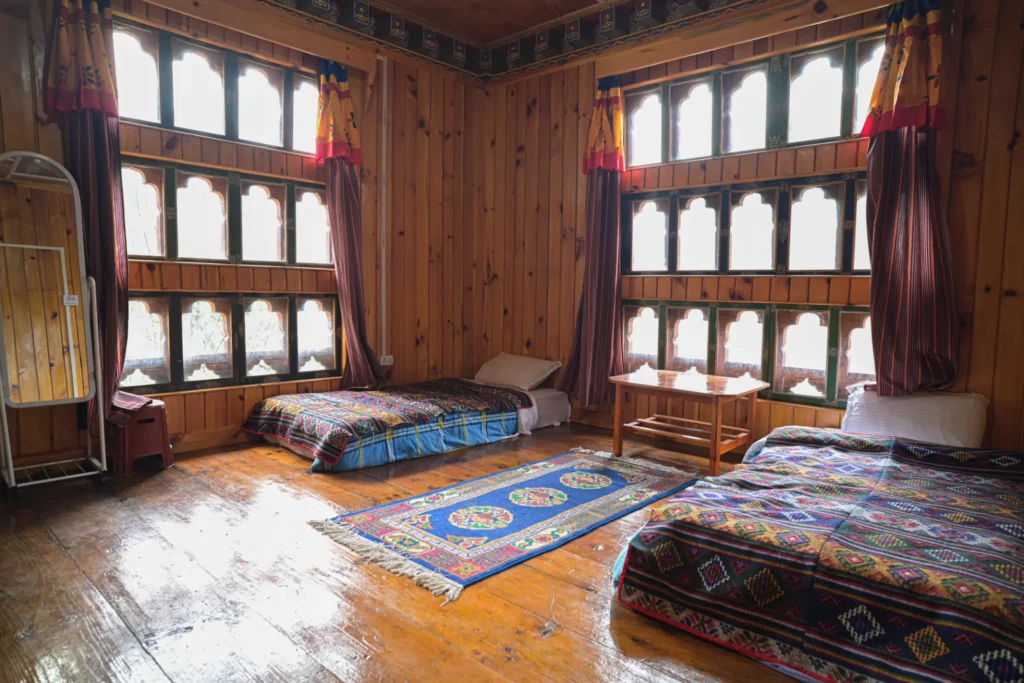
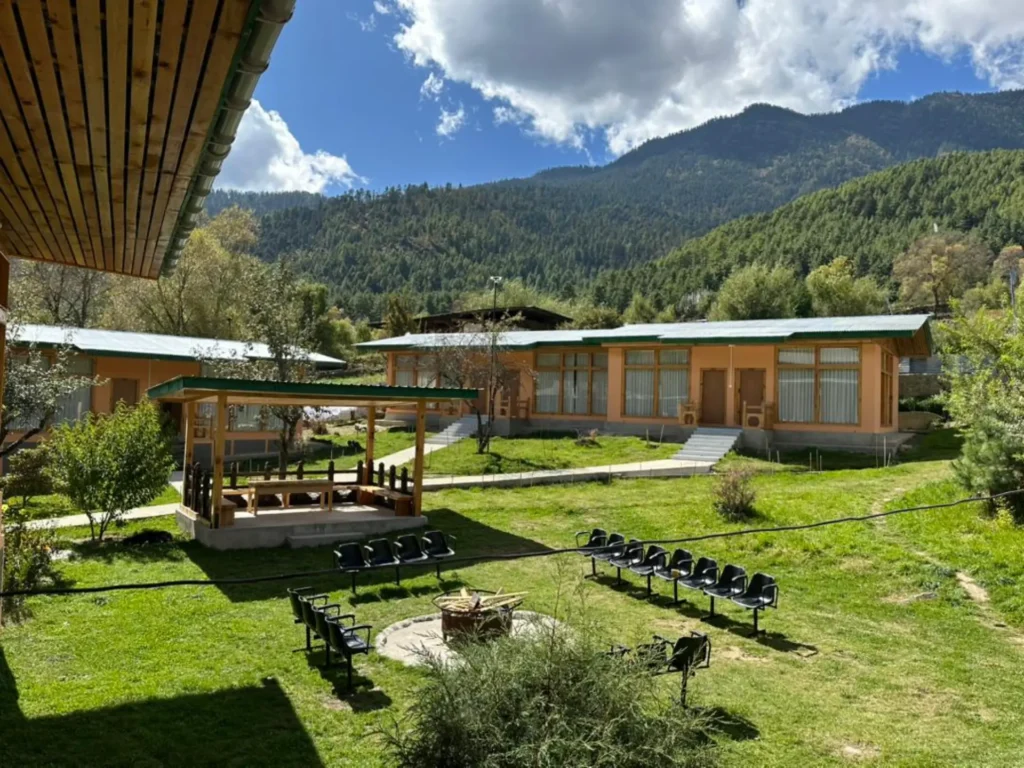
Experience the warmth of Bhutanese hospitality through your home or hotel stay in Haa. The best place to try authentic, homemade cuisine as it is made everyday is undoubtedly a homestay! Often nestled amidst terraced fields and surrounded by nature, these traditional homes give you a solid taste of rural life. Comfortable rooms and amenities round it out to make it feel like home. If you’re looking for an accommodation option more on the classical side, check out the plethora of top hotels that have blossomed in Haa, from three star options such as Haa Heritage Hotel and Risum Resort to the riverside Jimmys Lodge and centrally located Layul Hotel. Hotels have room options extending from single to double deluxe, and often feature an on-site restaurant.
6. Panorama and other hiking experiences in Haa
Explore Haa’s pristine beauty through its often untouched hiking trails. From serene hillsides to challenging mountain paths, trails cater to all levels of hikers. Breathe in the fresh mountain air as you traverse through lush forests, revealing panoramic views that will leave you in awe. Speaking of panoramic, don’t miss the signature Haa hike: Haa Panorama Trail.
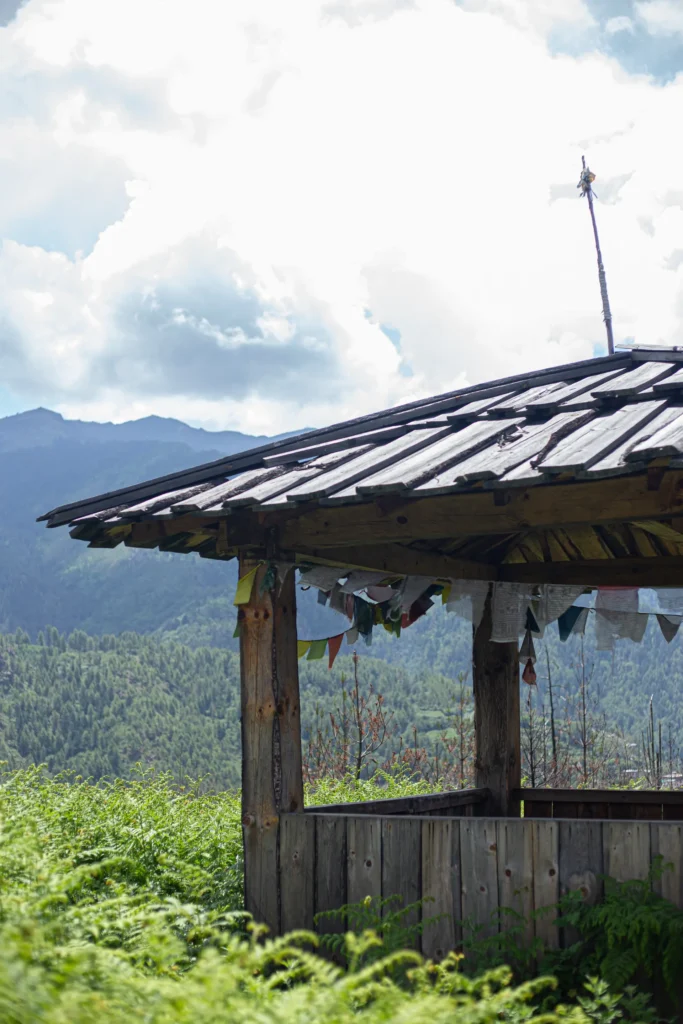
Overlooking a splendid view of Haa valley and four major Goempa’s in upper Haa, the Haa Panorama trail passes through Juneydrag and Katsho Goempa. Get the best view of the three Meri Puensum peaks while meandering through a well kept, well marked trail in the vicinity of Haa Town. This 11-kilometer, 6-hour hike goes through pine forests and has a maximum elevation of 3150 meters. The trail begins from Yangthang Monastery and ends at Wangtsa village. Enjoy a mid-hike lunch at the pastures of Kathso Eco Camp or under a rest canopy after the first segment.
If you want to test your endurance, embark on the multi-day Nubtshonapata trek or the Jobay Tsho Trek.
7. Visit Juney Drak (the Tigers Nest of Haa)
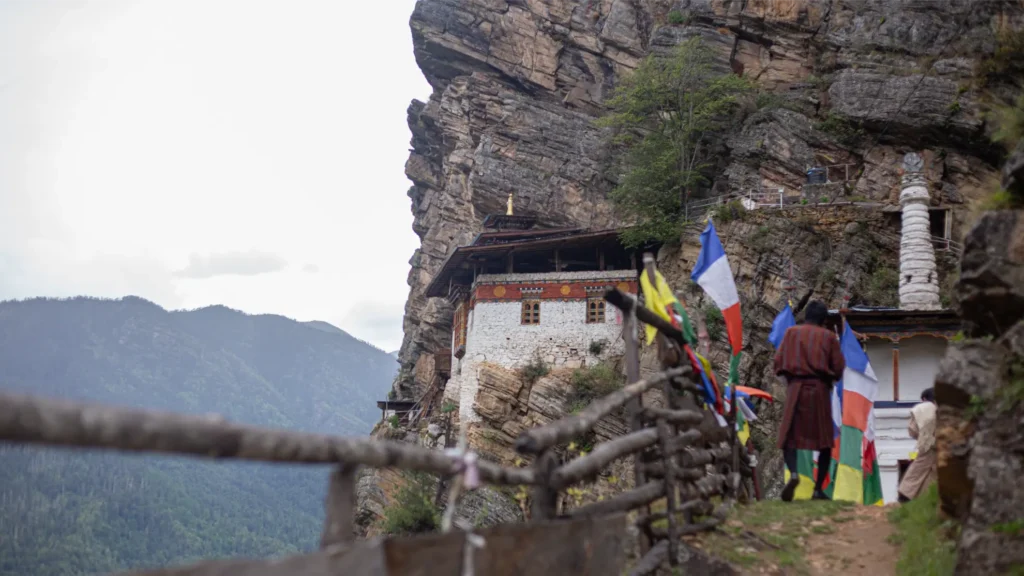
Located on a dramatic cliffside overlooking Bhutan’s Haa Valley, Juney Dra is a significant hermitage accessible via a scenic hike through pine forests or a rugged drive from Katsho village. The journey to the site involves passing through traditional mud archways and across small bridges, culminating in a gentle climb that rewards visitors with breathtaking views of the valley floor and surrounding ridges. Known as ‘the Tigers Nest of Haa,” the hermitage serves as a tranquil space for contemplation, currently maintained by a small group of nuns who live nearby in quiet devotion and prayer.
Spiritually, Juney Dra is deeply revered for its connection to Guru Rinpoche, who is said to have subdued a demon at this very spot, leaving behind physical impressions on the cliffside as a testament to his triumph. The site also holds a unique link to the Tibetan tantric master Machig Labdrön, housing what is believed to be her right footprint. By blending these rich religious legends with the natural beauty of the landscape, Juney Dra remains a vital cultural landmark that embodies the harmonious relationship between faith and nature in the Haa Valley.
8. Try unique Haa cuisine like Philu and Maasha
Haa Valley offers a culinary experience that is the epitome of Bhutanese indulgence, centered on organic, highland ingredients that echo ancient traditions. Because yaks are integral to life in these high altitudes, much of the local cuisine is built upon rich milk and cheese. Among the most unique offerings is Phillu, a rare fermented cheese that surprises even the most seasoned connoisseurs. It is painstakingly crafted by pouring boiled milk over stripped birch twigs three times a day for two weeks until a creamy residue builds up. The resulting stringy, bitter cheese is scraped from the branches and sold as a high-value delicacy, sometimes fetching nearly 10,000 Nu per bottle.
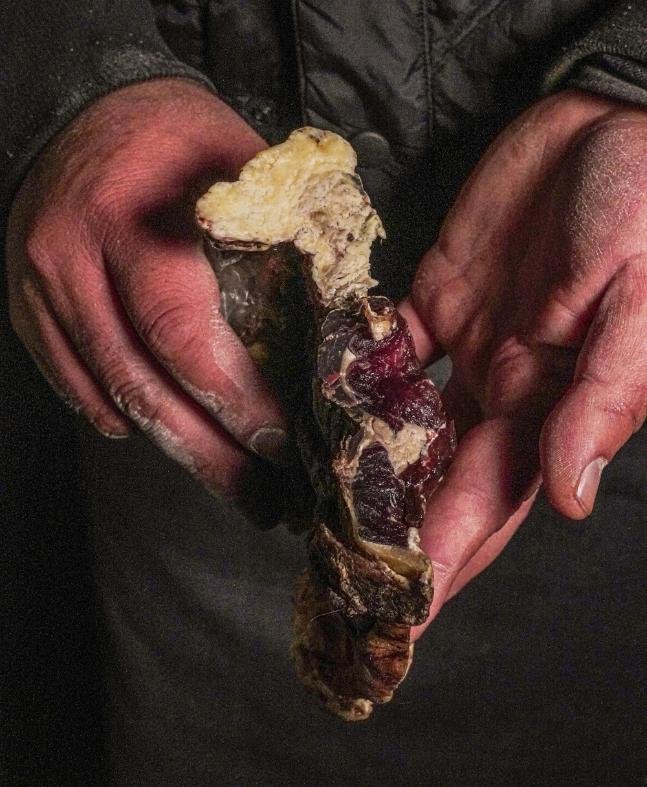
For those with adventurous palates, Maa Sha represents perhaps the most specialized of all Haap dishes. This delicacy consists of yak meat that has been slow-dried and fermented in cloth for several months. This lengthy process allows the meat to develop a pungent, intense flavor that is highly sought after by locals. Reserved primarily for special occasions, Maa Sha reflects the resourcefulness of highland culture, where fermentation was historically essential for preserving nutrition through the long Himalayan winters.

9. Witness the Meri Puensum mountains
Dominating the skyline of the Haa Valley are the Meri Puensum, three remarkably similar conical hills that are considered the “Sister Hills” or “Three Brothers” of Haa. According to local belief, these peaks represent the three great Bodhisattvas: Manjushri (the god of wisdom), Vajrapani (the god of power), and Avalokiteshvara (the god of compassion). These sacred landmarks are not just a geographical feature but are the spiritual guardians of the valley, deeply woven into the identity of the Haa people. Visitors often find that the best views of these peaks come from the valley floor or during the ascent to nearby monasteries, where the symmetry of the hills creates a striking visual harmony against the sky.
Hike the Meri Puensum trail or the Haa Panorama trail to get up close and personal with these peaks. Whether you are viewing them through the morning mist or at sunset when the peaks glow with golden light, Meri Puensum offers a sense of profound serenity.
10. Try Kaapchi Japa for breakfast in Haa
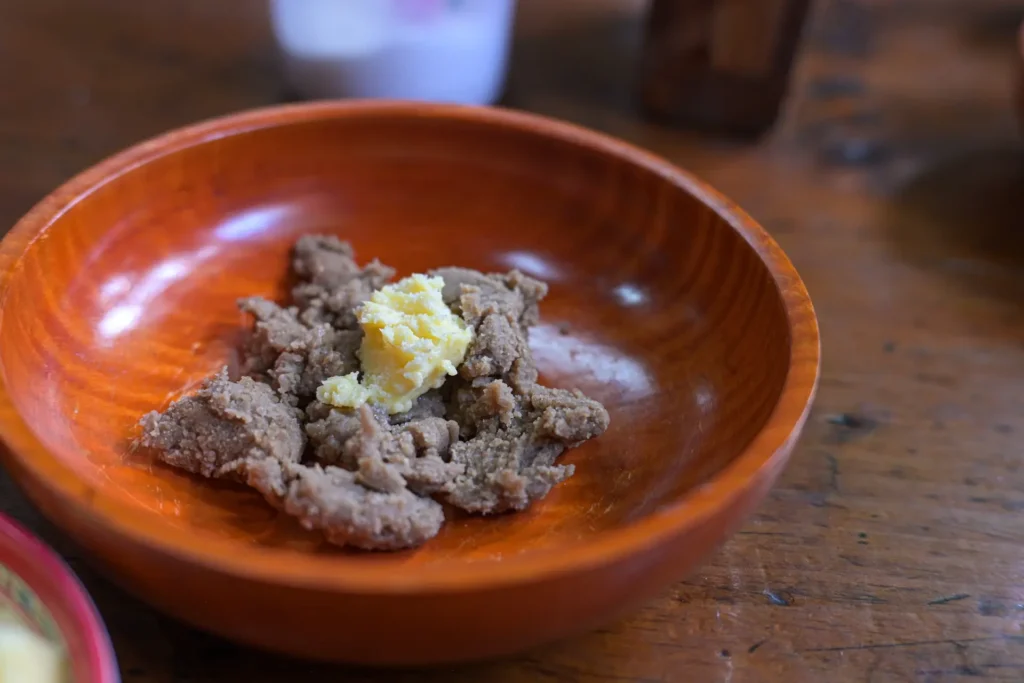
A quintessential way to begin a chilly morning in the Himalayas is with a bowl of Kaapchi Jaapa, a traditional Haap breakfast that provides the energy needed for high-altitude living. This hearty dish consists of roasted wheat dough that is kneaded by hand to a consistency similar to the famous Hoentey dumpling. Historically used as an energizing snack for travelers and farmers, it has evolved into a beloved morning staple that emphasizes the region’s reliance on hardy mountain grains.
To eat like a local, you should enjoy your Kaapchi Jaapa served with freshly prepared cottage butter or warm milk. It is best paired with a piping hot cup of Suja (Bhutanese butter tea), which complements the earthy flavors of the roasted wheat.