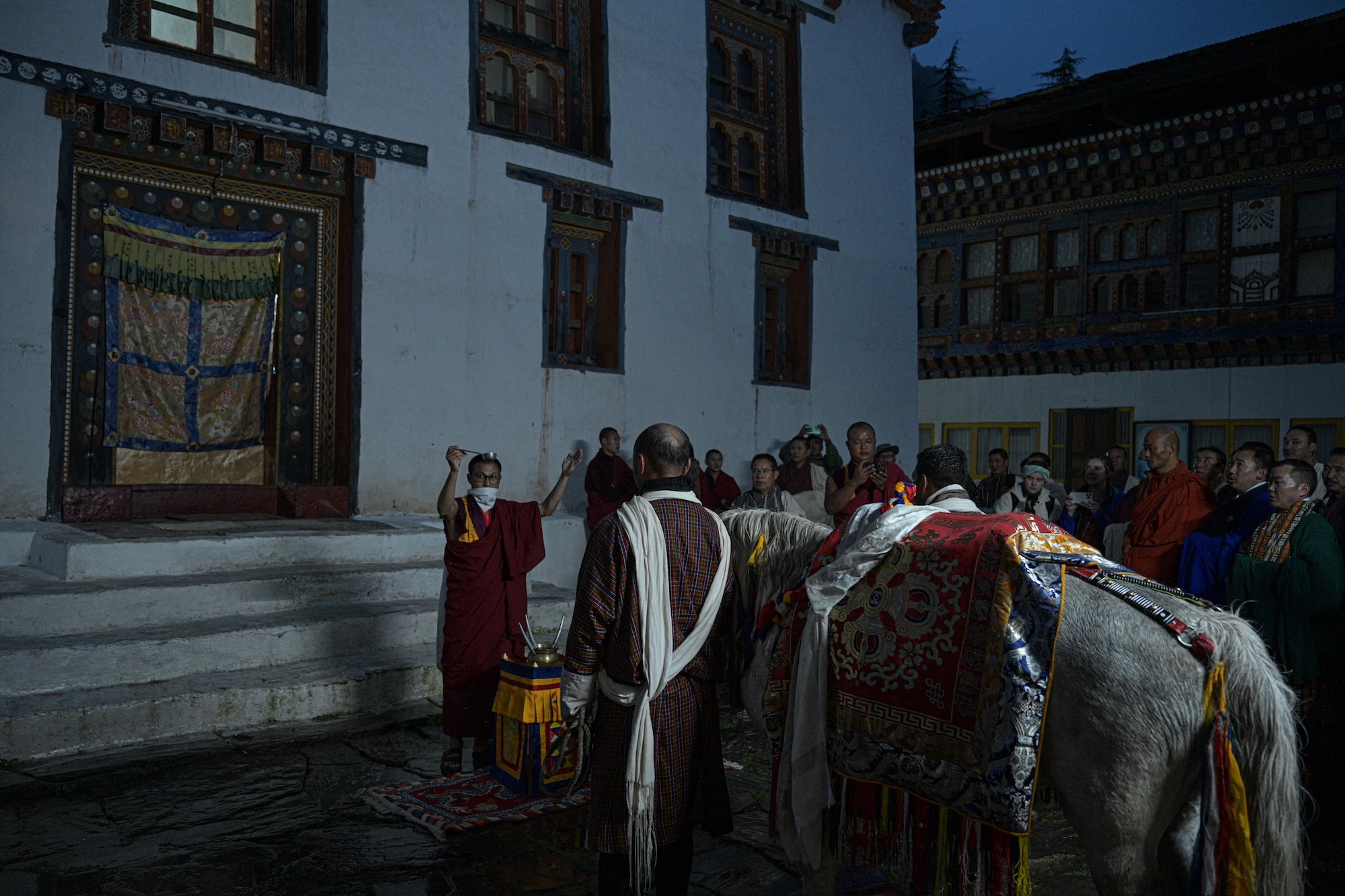
At 4:30 am on November 1, when even the leaves of autumn are too tired to fall, Bhutan’s longest chipdrel procession begins in the nation’s least visited valley. A spirit sits atop a white horse. Two men, dressed as Pazaps, or Bhutanese warriors, follow behind in colorful clothing. A hundred people line up outside of Lhakhang Karpo in the pre-dawn, bedecked in fine kiras and ghos. A gunshot blasts off the beginning of a 10km procession. This is the Ap Chundu festival, one of the most sacred celebrations of far western Bhutan.
Haa was the last dzongkhag in the country to open for tourism in 2002. Relatively forgotten by visitors in lieu of the ‘golden triangle’- Paro, Thimphu, and Punakha, Haa is no less worth visiting. Crossing Chelela Pass from Paro brings you to a valley full of magic, meaning, and immense natural beauty. Shamanism and animism holds deep roots here, as does a distinct way of life shaped by harsh winters and serene summers that have crafted ancient traditions. Characterized by three identical mountains that cradle the valley, the Meri Puensum peaks, rich history lies in their shadow; tales of Bhutanese warriors, family highland recipes passed down from one Bukhari to another, and annual prophecies spoken by Shamans.
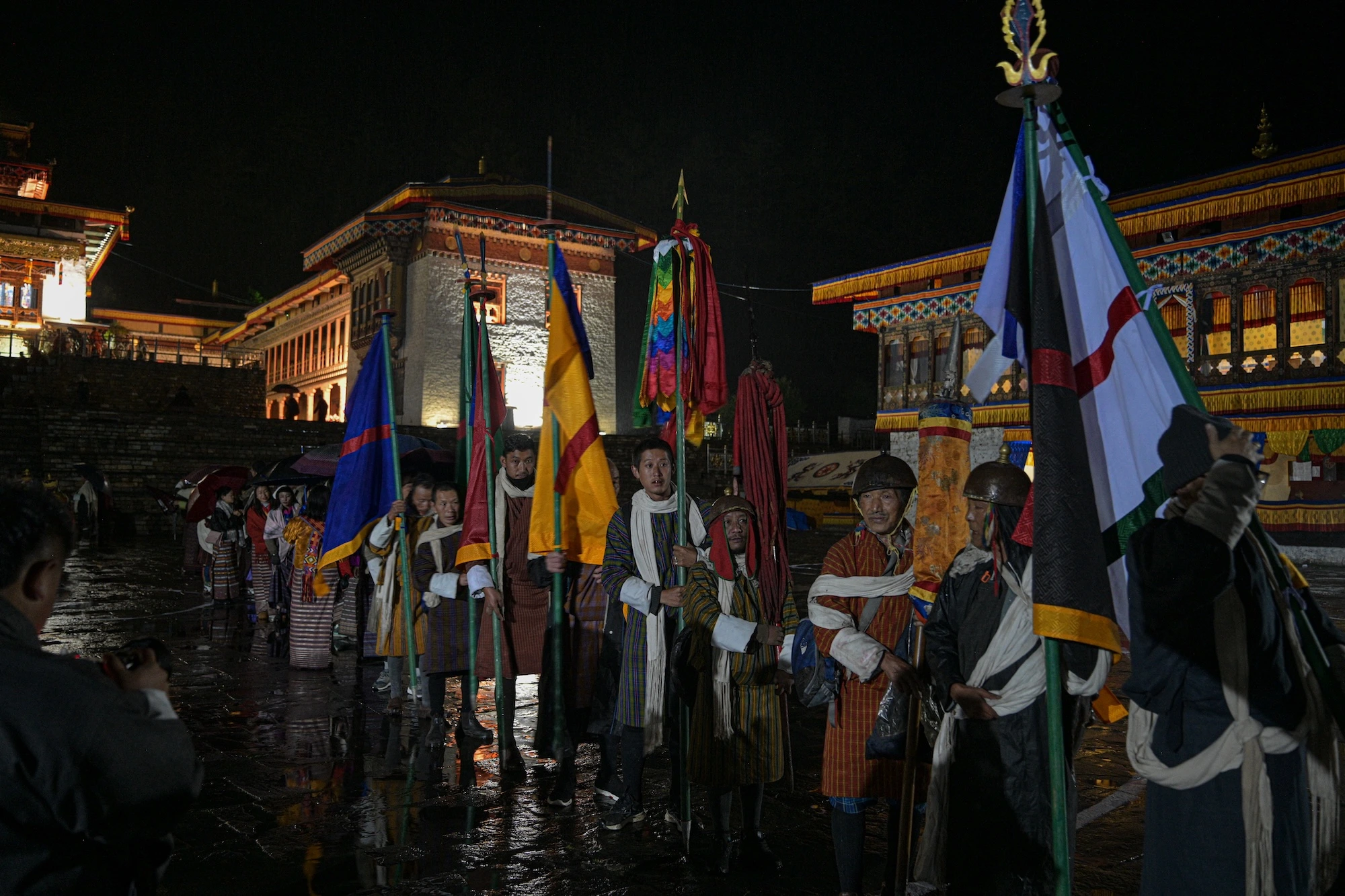
The legacy of Ap Chundu, the valley’s token deity that protects the people of Haa and bestows blessings upon them, is a sacred part of its history and culture. The story goes: Ap Chundu was born in a place called Dorjidehn (Currently Bodhagaya, India). He received his education in Tibet but his true home is Lhakhang Karpo in present day Haa. According to elders, when Zhabdrug came to Bhutan, Haa had not yet received Buddhist teachings. At this time, it was difficult to start a fire. There was a place called “Nub tsuen bi yeekha,” that reportedly had fire, and locals asked for someone to go and borrow it and bring it to Haa. Ap Chundu volunteered to go. On his way back after collecting the fire, he was greeted by local shamans and shamanesses. They offered him refreshments and when he settled down to rest, Ap Gyengay quietly stole the fire from Ap Chundu and went to Punakha Dzong. He relayed his story to Zhubdrung. Ap Chundu immediately visited Zhubdrung and told his side of the story. Meanwhile, Ap Gheygay refused the allegations and Ap Chundu became so furious that he slapped Ap Gheygay. The slap was so hard that Ap Gyengay was rendered deaf in one of his ears. Then Zhabdrung told Ap Chundu that he is the protector/deity of all the people under homes that have white flags. It is also said that as soon as Ap Chundu left Punakha Dzongkhag, Zhubdrung suddenly realized that Ap Chundu will have even more devotees than him. Sertogh (Golden dome) which is considered to be for Zhubdrung are usually seen only at Dzongs and Lhakhangs. However, every Bhutanese household in this part of the region has a white flag on their roofs.
When he returned, Ap Chhundu protected the people of Haa during an invasion from Tibet. It is said that four Tibetans were required to handle one missile whereas Ap Chundu handled one missile himself. He was also rumored to use nine iron shoes in a day by walking across mountains and that he greatly helped the Haaps win the war.
This legend lives on today, whispered on the winds of the valley. In the 11th month on the calendar, the pows and poms (shamans and shawoman) gather at Jangkha-kha to perform the Chundu Lhaseol, a grand ritual in Ap Chundu’s honor. It is celebrated at the ceremonial ground of Jangkha-kha, the very place the Tibetan invasion was rumored to have been stopped through the power of Ap Chundu: He used a magical spell to make the Tibetan soldiers see a flat plain where in fact there was a steep cliff, causing them to fall and thus saving Haa from invasion.
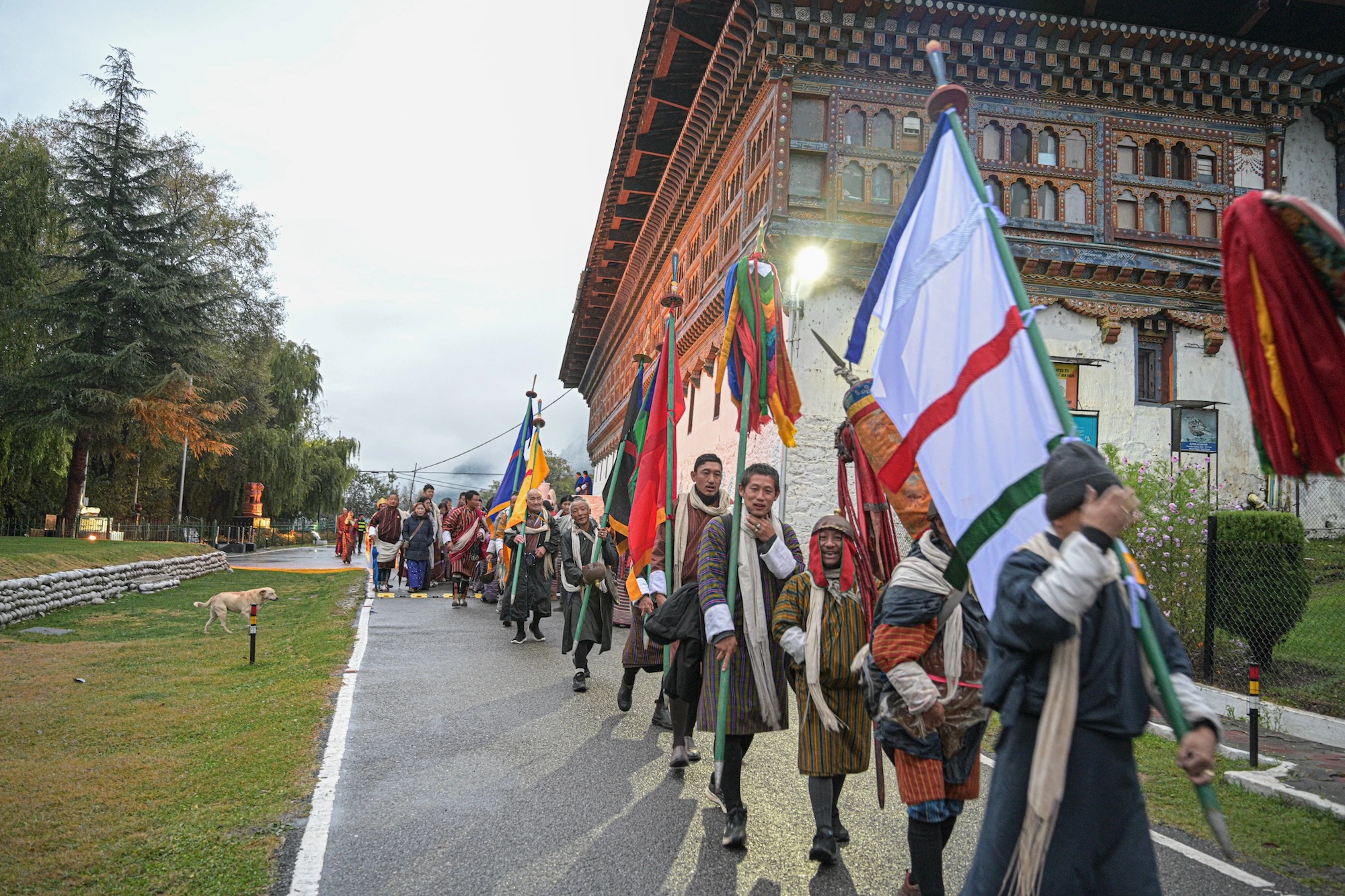
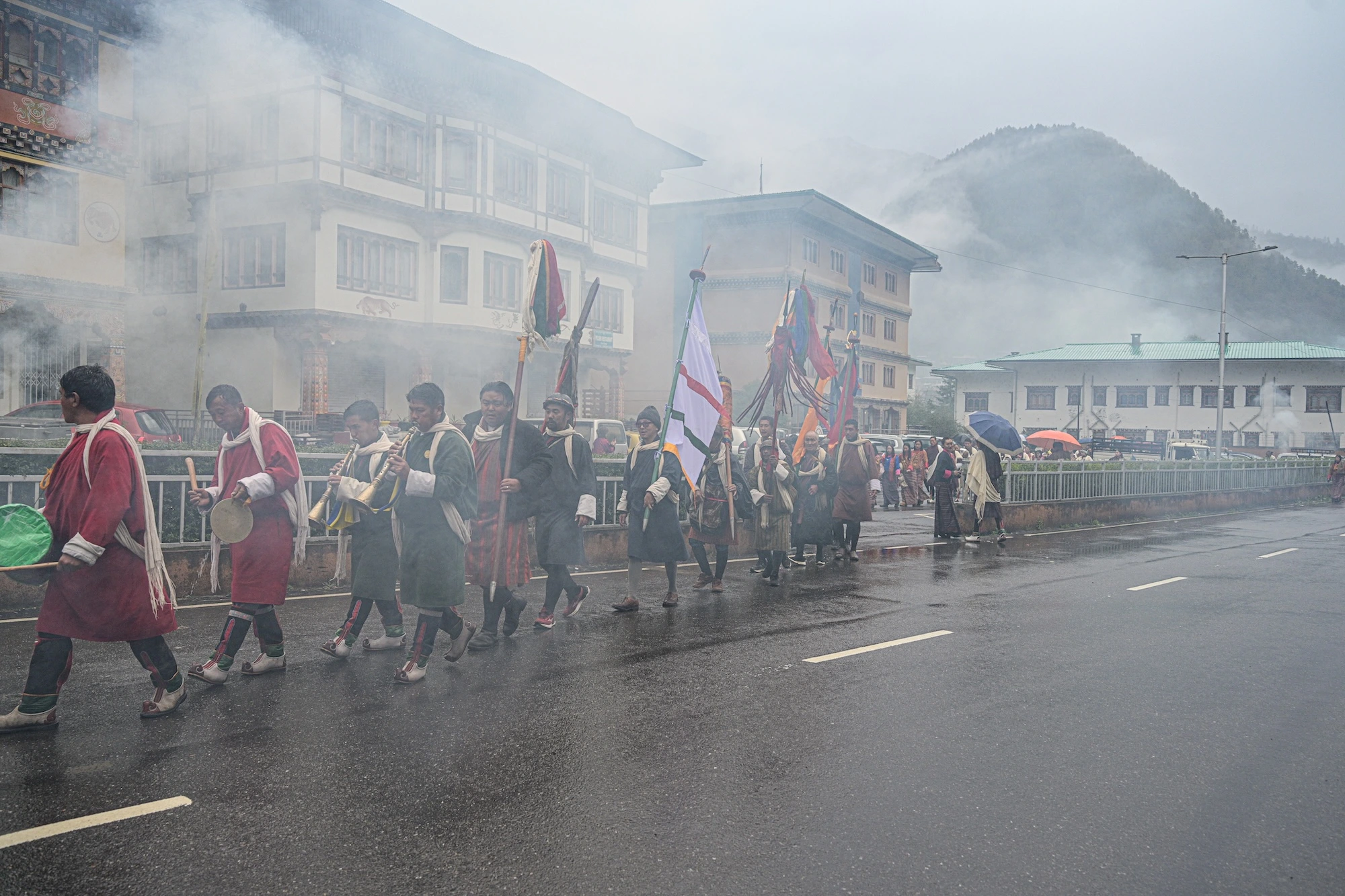
One of the festival’s claims to fame is that it is the longest Chhipdrel, or processional, in Bhutan. Beginning at Lhakang Karpo, the White Temple, on one side of the valley, a 10 km long procession ends at Jangkha-kha ceremonial ground. Along the way, there are multiple stops to offer marchang (to offer alcohol) and perform rituals at key sacred sites. The most significant stop is at the Nga-chhu Chorten, where the people of Baney offer marchang. The people of Yangthang also make offerings, as has been their tradition since ancient times. In the past, the Marchang offering- an essential component of the ritual- was performed only twice: once at the start and once at the end of the journey. The starting point was at the chorten near Nga-chhu, where the offering was made by the people of Bangayna, and the concluding ceremony took place at Yangthang. Today, Marchang is offered at several points along the route, symbolizing continuous blessings and protection throughout the journey.
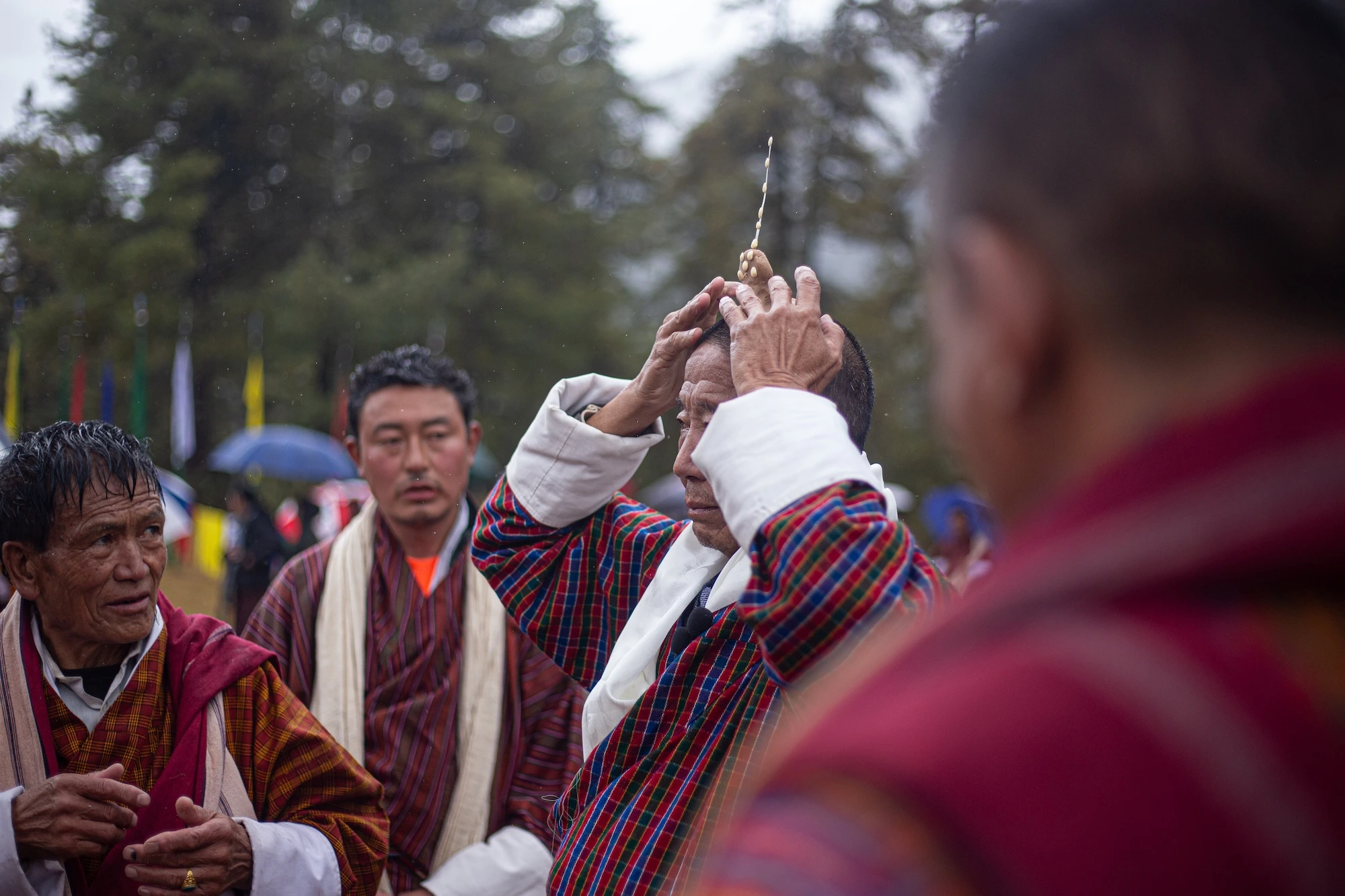
Local dances are performed at the Jangkha-kha ceremonial ground and a final blessing and prophecy for the local village, and sometimes the entirety of Haa, is shared by a shaman. It is said that the shaman invites the spirit of Ap Chundu to enter him and speak the prophecy for the next year: Ap Chundu is revered as a Paow Pham ge Lhakey—the protector deity of the Paow (oracles) and Pham (spirit mediums).
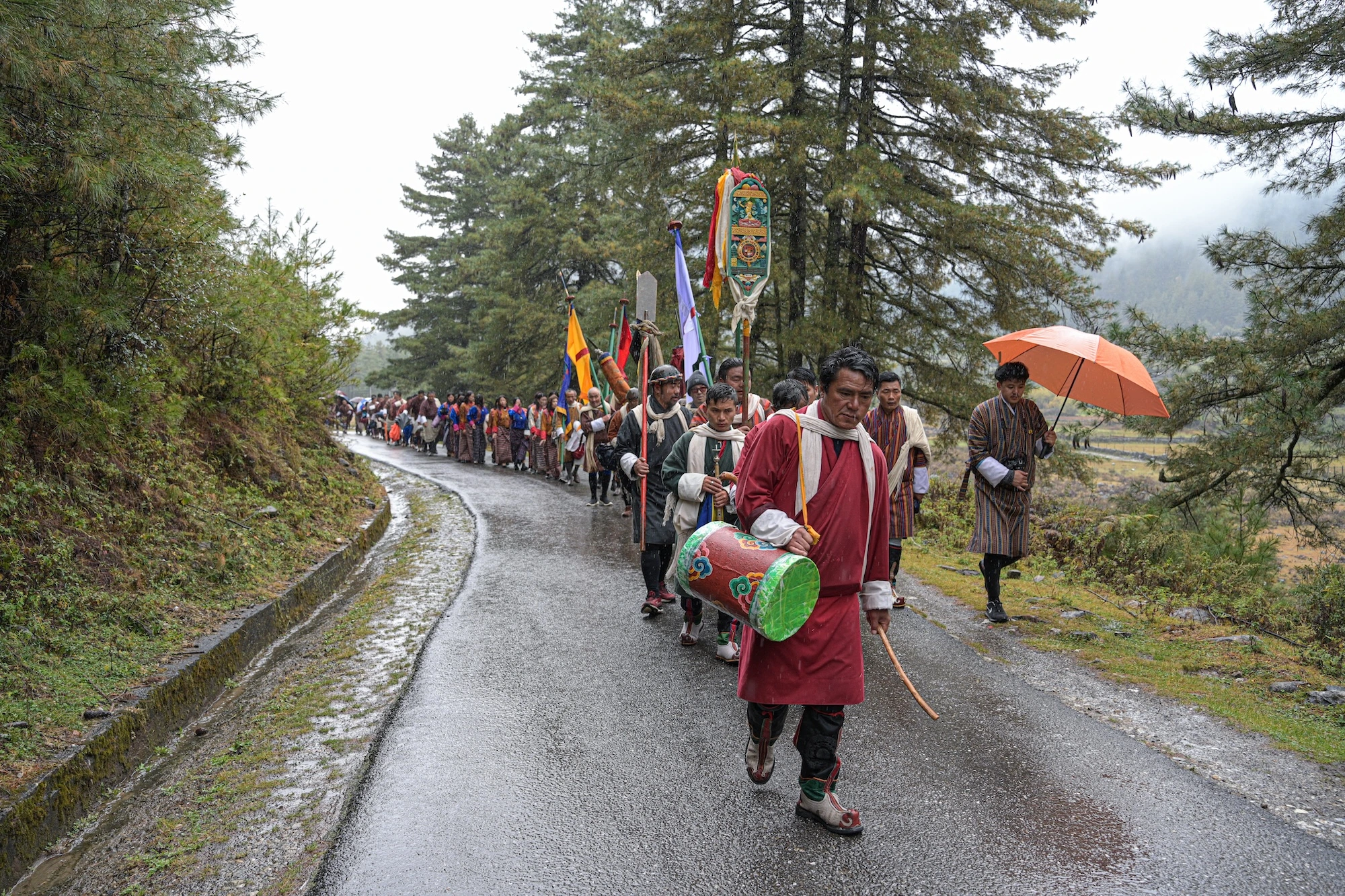
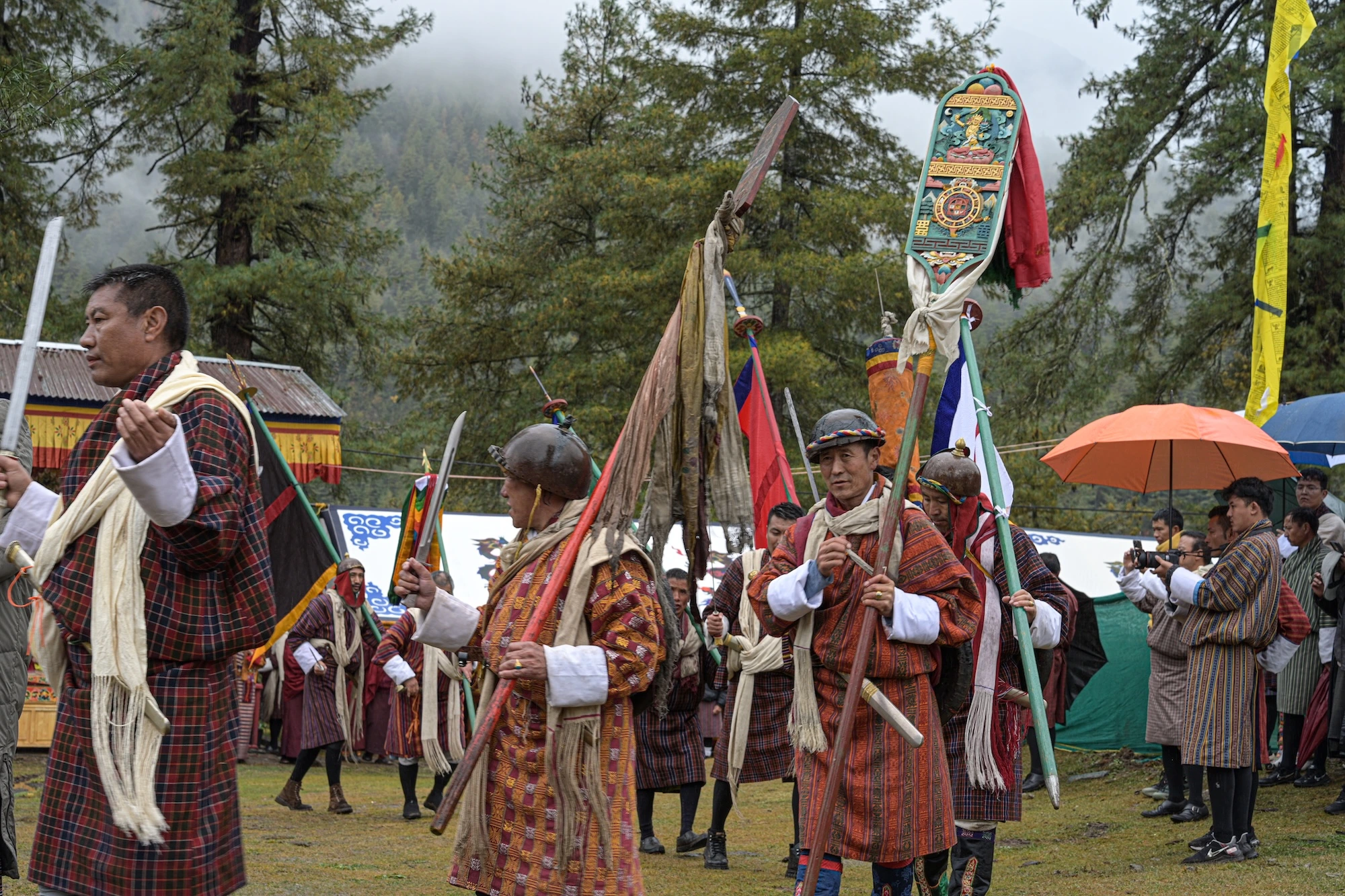
It is a common misconception that, in the past, these ritual offerings to Ap Chundu involved the killing of a yak. In truth, the offering was never made to him directly; it was instead meant for Bhem-bu. Furthermore, this practice of animal offering was discontinued over a decade ago, reflecting a collective shift toward more compassionate forms of devotion. Nowadays, a yak leg is purchased to fulfill the tradition and animal sacrifice is foregone.
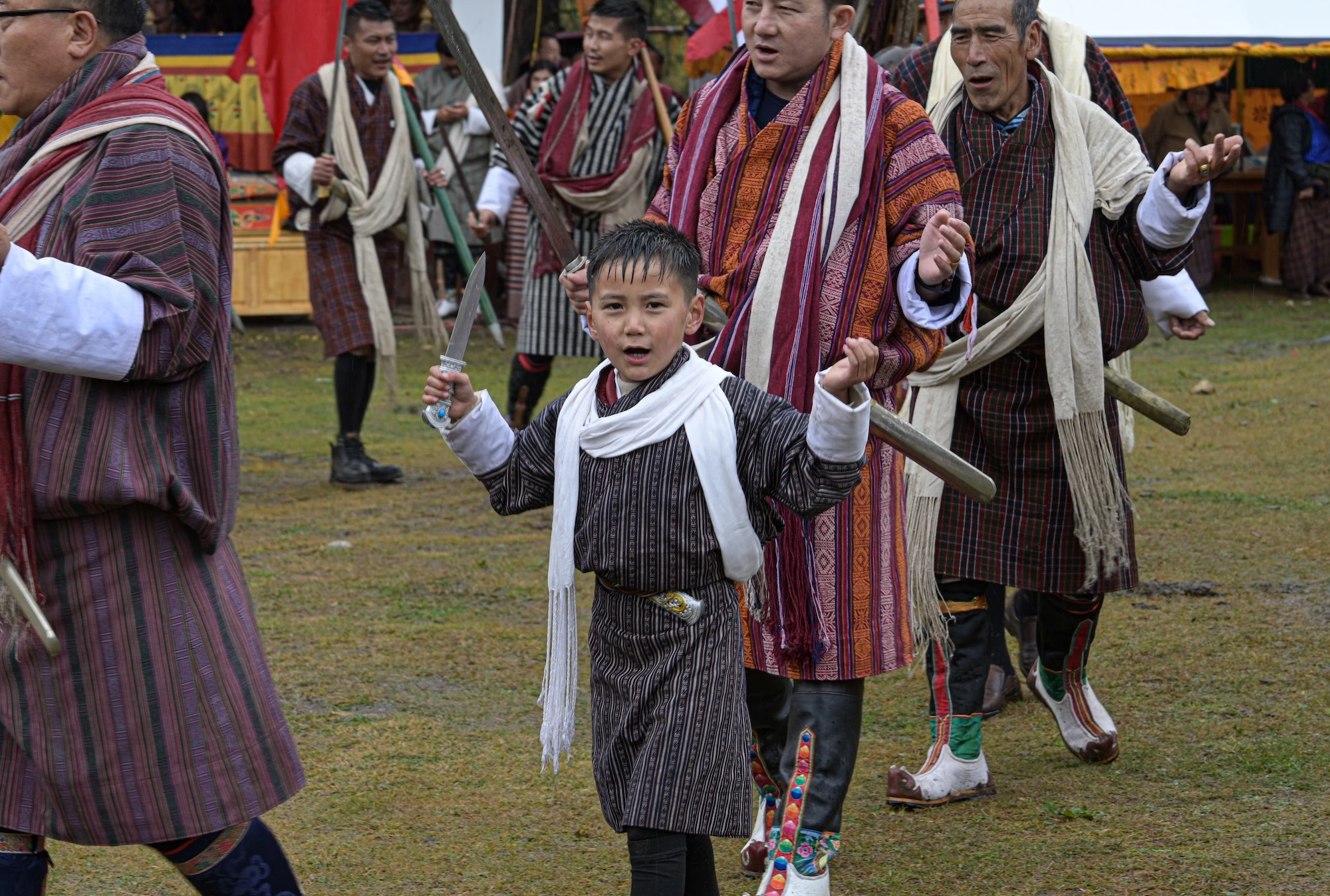
The horse that carries the spirit of Ap Chundu is a vital component of the festival, and in the past people believed that during the chipdrel, Ap Chundu himself would mount the horse invisibly. This is why, at certain points along the journey, especially near the Nga-chhu stone bridge, the horse would appear tired or behave differently, as if someone unseen were riding it. The locals saw this as a clear sign that Ap Chundu was accompanying them. The horse remains a sacred part of the ceremony, reminding us of Ap Chundu’s role as the protector of Haa, ever watchful and ready to defend the land and its people.
The experience of the Ap Chundu festival is one of deep spirituality, community, and honor of the weight of history. Visitors are welcomed and encouraged to not only attend but participate alongside Haaps and local leaders.
Location– Lhakhang Karpo to Jangkha kha
Gewog– Bji