Haap cuisine is hearty, seasonal, but has a strong taste a community’s rich history: nourishment for high-altitude living. It also contains unique dishes within Bhutan, best experienced at a local homestay. Relish the spicy flavours of traditional Bhutanese cuisine like Ema Datshi (chilli and cheese) alongside dishes like Phillu (A yak cheesy dish) and Hoentay (buckwheat dumplings). To experience the peak of Haap cuisine, stop by during Losar, Bhutanese New Year, around the end of December when most households prepare fresh hoentey and other customary meals.
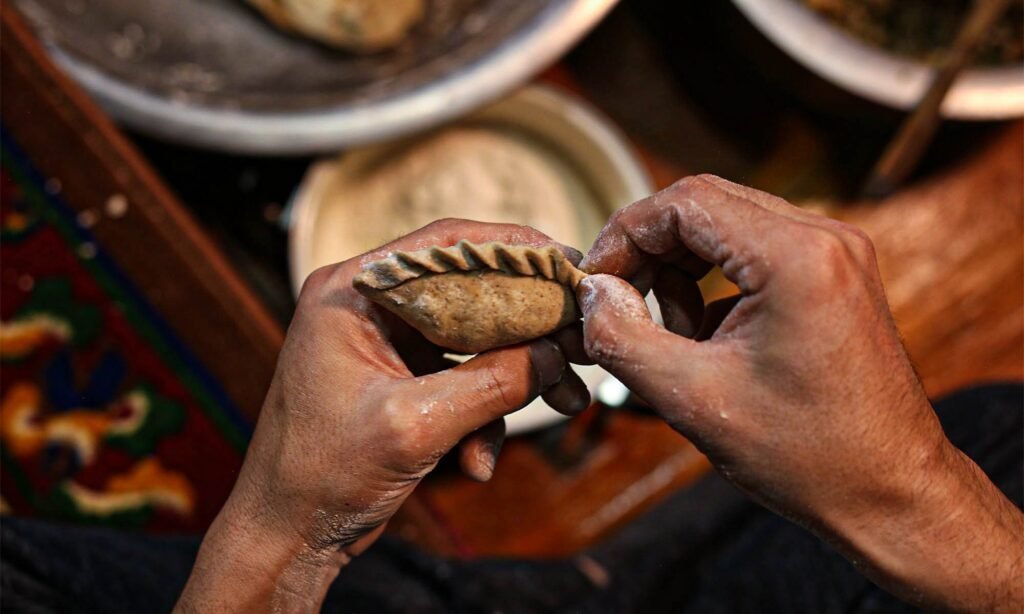
- Hoentey – Hoentey is a beloved specialty of the Haa valley, consisting of savory buckwheat dumplings that are as culturally significant as they are delicious. Unlike the more common flour-based momos found throughout Bhutan, hoentey is made from buckwheat flour, which gives them a distinct, earthy flavor and a darker color. They are traditionally stuffed with a rich mixture of turnip leaves, zimtsi (perilla seeds), ginger, garlic, and local cheese, often seasoned with a hint of chili and Sichuan pepper. Historically, hoentey were prepared as a celebratory dish for the Lomba festival, Haa’s unique New Year, where they were exchanged between households to foster community bonds. Today, these dumplings – whether steamed or fried – remain a proud symbol of Haa’s ancient food habits and continue to be a must-try for any visitor seeking the authentic taste of the valley’s living heritage.
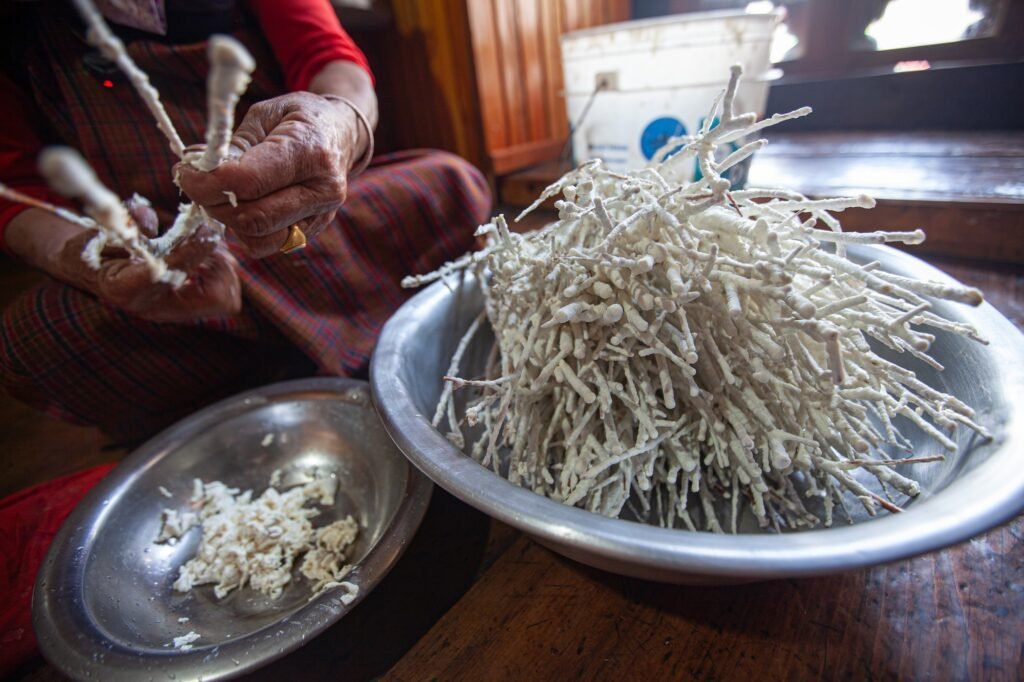
Phillu – Philu is a rare, aged cheese made specifically from cow or yak milk that is fermented and stored in leather bags for months—and sometimes even years. This process results in a dense, pungent, and highly prized delicacy that is distinct from the more common Datshi found across Bhutan. The production of Philu is deeply rooted in the ancient food habits of Haa’s communities, where such long-term preservation methods were essential for surviving the harsh high-altitude winters. Today, Philu remains a symbol of Haa’s cultural authenticity making it one of the most unique food in Bhutan.
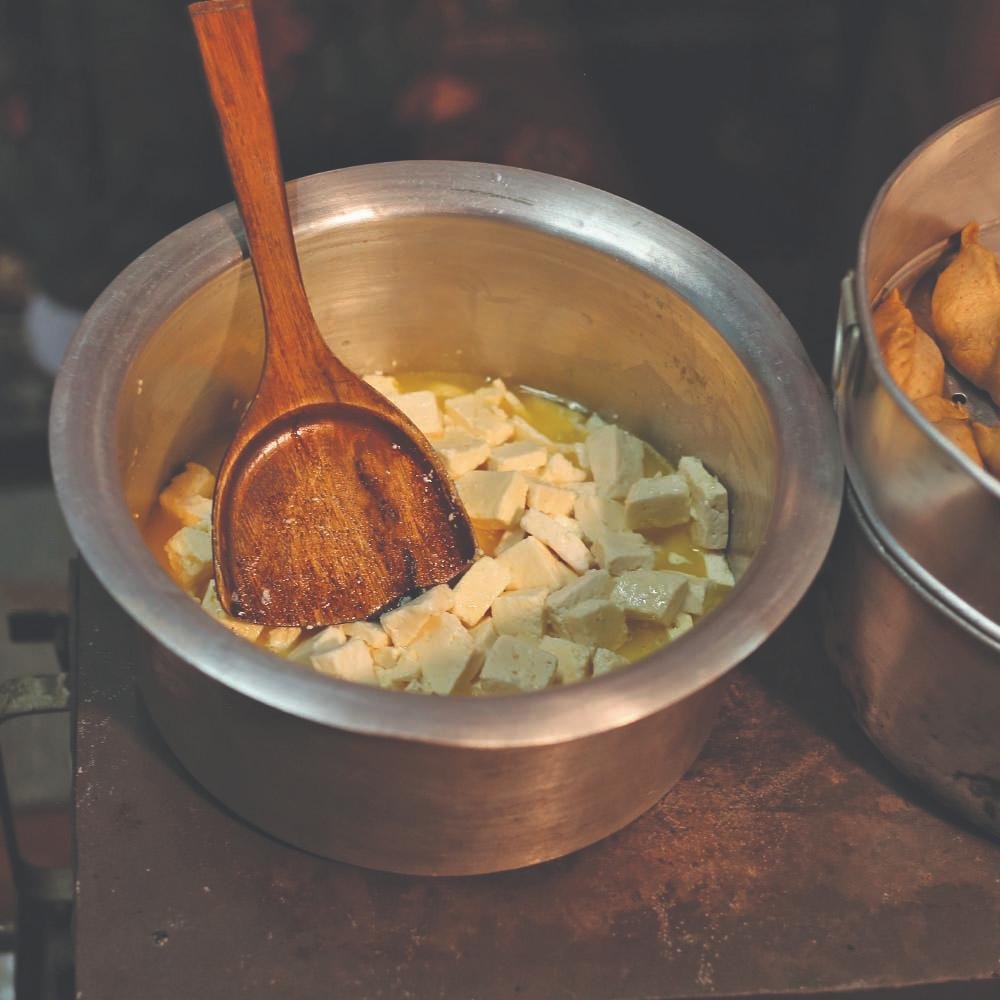
- Chhugo Maango – Chhugo Maango (or Magi) is a decadent and celebratory dish that serves as the ultimate comfort food for the local community. This rich, buttery delicacy consists of small, uniform cubes of datsi (local cow or yak cheese) that are gently cooked in a generous amount of melted butter and sweetened with sugar until the cheese softens and absorbs the flavors. Often prepared during special occasions like the Lomba (Haa’s unique New Year) or served to honored guests, it represents the heart of Haa’s ancient food habits and pastoral hospitality. The dish’s heavy use of dairy reflects the high-altitude lifestyle where such calorie-dense, warming meals were essential for the winter. Whether enjoyed as a snack or a side dish, Chhugo Maango offers a unique sensory experience: a perfect, melting balance of savory cheese, creamy butter, and a hint of sweetness that is distinct to the culinary heritage of the Haa region.
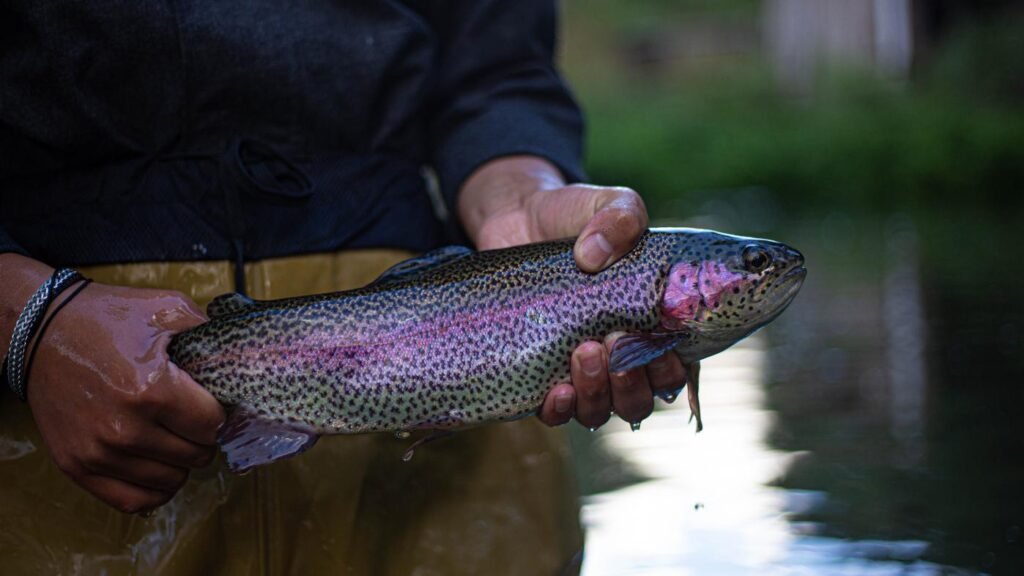
- Haa Nya- Haa is the only region in the country to have initiated rainbow trout farming. Most hotels, restaurants, and tourism related accommodations now serve delicious rainbow trout dishes. Do not miss the opportunity to taste trout while in Haa.
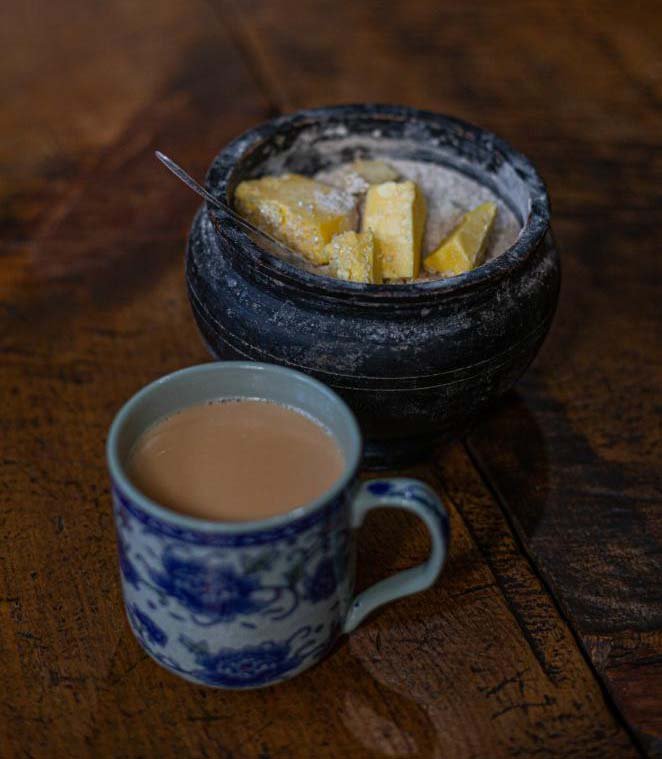
- Kaapchi Jaapa – Kaapchi Jaapa is a quintessential and deeply cherished breakfast dish of the Haap community, perfectly suited for the valley’s high-altitude climate. This simple yet nutrient-dense meal consists of finely ground roasted wheat flour, which is kneaded into a dough-like consistency using a rich blend of hot milk tea and generous amounts of fresh butter. Believed to provide sustained energy and warmth throughout the day, Kaapchi Jaapa is more than just a meal; it is a symbol of the region’s ancient food habits and pastoral hospitality. The heavy inclusion of butter and dairy reflects a traditional high-calorie diet essential for the physical demands of mountain life. This dish, alongside other Haa specialties like Hoentey and Magi, continues to be a staple in Haap households, maintaining its place as a “quintessential” breakfast that honors the valley’s living heritage and ancestral customs.
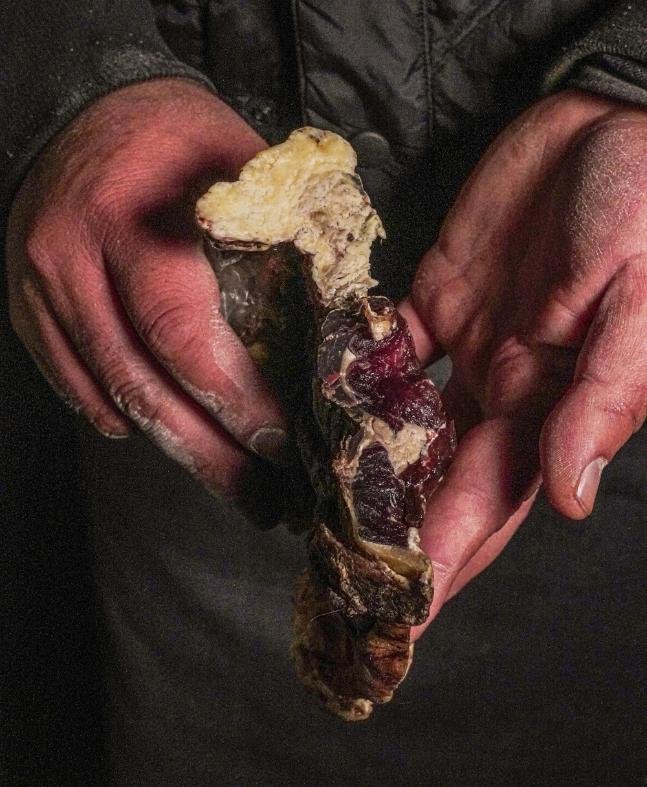
Maa Sha – Maasha is a unique and highly prized delicacy of the Haa valley, representing the pinnacle of traditional meat preservation in high-altitude Bhutan. Unlike the more common Sikam (dried pork) or Shakam (dried beef) found across the country, Maasha is specifically made from dried mutton that has been painstakingly prepared using ancient methods. To create this delicacy, the mutton is seasoned with local spices and then hung to air-dry in the cold, dry winds of the valley, often inside traditional wooden lofts where it is naturally aged for several months. This slow drying process results in a meat that is intensely flavorful, lean, and possesses a distinct, deep red hue. Historically, Maasha was a luxury item reserved for special occasions and as a high-energy food for travelers and herders. Today, it remains a proud symbol of Haa’s culinary identity, typically served as a savory addition to stews or sautéed with local chilies and butter to honor guests during festivals like the Maangda or Lomba.
To enjoy authentic Haap traditional cuisine, book a meal at a local homestay. Refer to our homestay section of the site for more details.