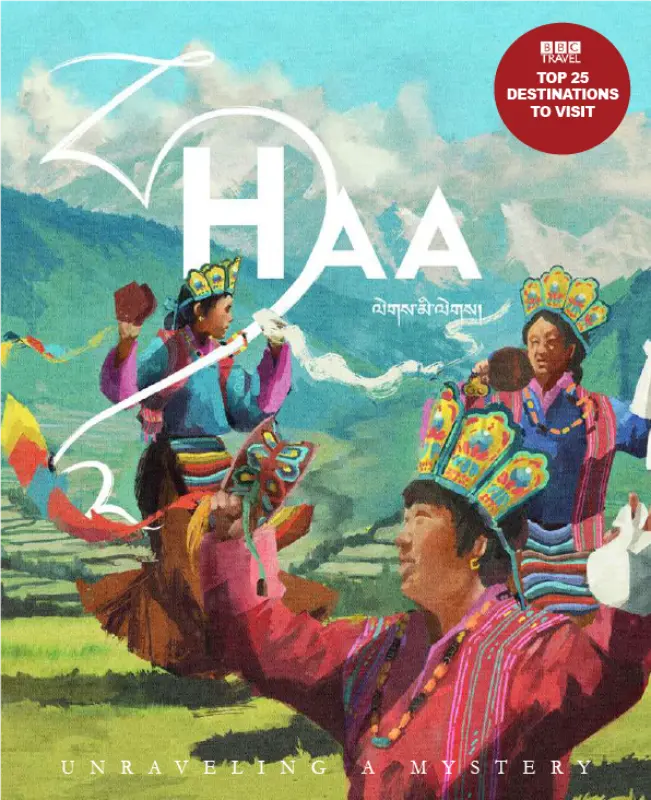
Haa, often called the “Hidden Valley of Bhutan,” is a place where life feels slower and more meaningful. Surrounded by open landscapes and quiet mountains, the valley naturally encourages you to pause, breathe, and simply be present. The name Haa is believed to come from the Choekey word “Hay,” meaning astonishment or breathless wonder — a feeling many visitors experience when they first arrive.
Haa is not about luxury wellness centers or structured retreats. Instead, it offers something more genuine and grounding. The valley is known for its deeply spiritual atmosphere, where everyday life is closely connected to faith, nature, and tradition. It is often described as one of Bhutan’s last frontiers — untouched, peaceful, and authentic.
For those seeking meditation or quiet reflection, Haa provides many inspiring settings. You might sit in the courtyard of an old lhakhang, listening to the soft murmur of prayers and the flutter of prayer flags in the wind. With permission, you may even have the opportunity to meditate alongside monks or lamas, learning through observation and shared silence rather than formal instruction. The calm energy of temples and sacred spaces creates a natural environment for inner stillness.
Beyond religious sites, the valley’s open fields, pine forests, and highland pastures offer perfect spots for personal yoga or meditation practice. Imagine beginning your morning stretches with fresh mountain air and wide valley views, or ending your day with quiet reflection as the sun sets behind the peaks. The distant sounds of yak herders or temple bells only add to the sense of peace.
While Haa is often seen as a mindful and spiritual destination, visitors should note that there is limited information about formal yoga classes or organized wellness retreats. The experience here is less about structured programs and more about finding your own rhythm in a place where nature and spirituality gently guide you toward calm and clarity.