Did you know that Haa’s southern region boasts of bird species-sighting similar to some of the most sought-after birding destinations in Bhutan? Haa, a district traditionally celebrated for its pristine alpine landscapes and cultural heritage, is rapidly emerging as a premier frontier for avitourism in Bhutan. A comprehensive study commissioned by the Department of Tourism (DoT) reveals that the corridor stretching from Tergola to Gakiling possesses an extraordinary ecological richness that could define the future of birding in the kingdom.
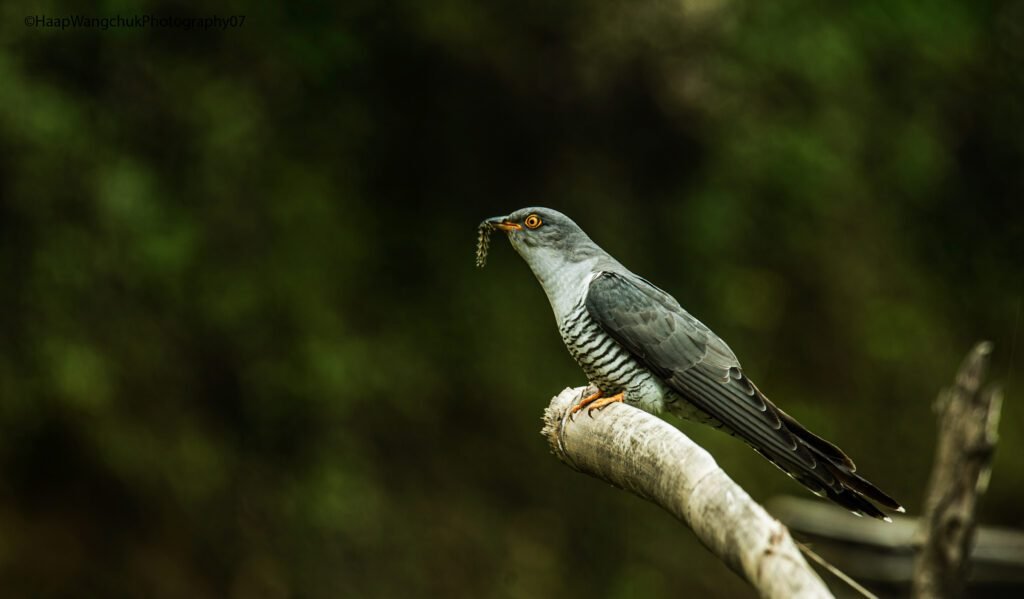
The potential of Haa lies in its dramatic altitudinal gradients, which range from 850 to 3,600 meters above sea level. This variation creates a heterogenous landscape featuring a mosaic of fir forests, rhododendron groves, and warm broad-leaved forests. Such environmental diversity makes the region a critical sanctuary for winter migratory birds, serving as an essential stopover for avian travelers.
During a recent winter survey, researchers recorded a remarkable 119 bird species belonging to 42 different families. This represents over 15% of the total bird species ever recorded in Bhutan, highlighting Haa’s immense biodiversity density. The presence of charismatic wildlife, such as the Red Panda, further elevates the allure for nature enthusiasts seeking an immersive experience. As the tourism paradigm shifts toward responsible, nature-centric models, Haa stands ready to become a sustainable and economically viable hub for birdwatchers worldwide.
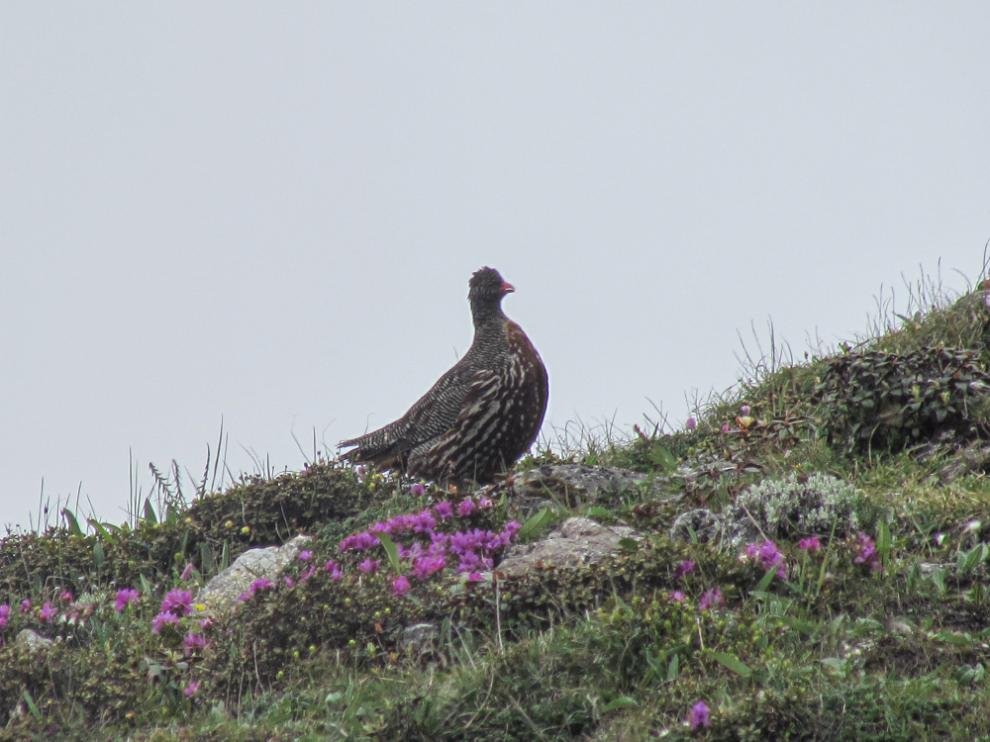
Recommended Birding Locations in Haa
The 46-kilometer stretch from Tergola to Gakiling is the primary recommended route for birding. Key spots along this corridor offer sightings of rare and vibrant species:
- Higher Altitudes (Tergola area): High-elevation specialists like the Hill Partridge can be found here, particularly in fir and blue pine forests up to 3,600m. The Eurasian Wren is also common in these wetter, high-altitude mossy tangles.
- Temperate and Broadleaf Zones: This mid-range altitude is a treasure trove for families like Muscicapidae and Leiothrichidae. Look for the vibrant Fire-tailed Sunbird and the acrobatic White-browed Shrike Babbler.
- Lower Foothills (Gakiling area): Descending toward Gakiling, birders can spot the Rufous-necked Hornbill (listed as Vulnerable) and the Sultan Tit, identifiable by its bright yellow crest.
Best Season to Visit: June-August
Best Treks: Soembeykha–Rongtse Nye Birding Trail
If you wish to know more about the flora and fauna species in Haa’s rich biodiversity, you can also visit the official website of the Jigme Khesar Strict Nature Reserve.
--- More Related Posts ---
Haa Lomba
A most special New Year’s celebration, marking the end of the harvest season and the dawn of the winter...
Sagala Trek (2 Days)
This Sagala Trek combines an in-depth appreciation of the country‟s cultural attractions with a moderate to strenuous two days...
Chimi Dema Homestay
Chimi Dema Homestay is a charming and authentic place to stay in the peaceful landscapes of Hatey Valley.
Panorama Hiking Trail
Just as the name suggests, the Panorama Hiking Trail offers sweeping panoramic views of Haa valley, Meri Phuensum and...
Ap Chundu Festival: Haa Valley’s Unknown Spiritual Celebration
At 4:30 am on November 1, when even the leaves of autumn are too tired to fall, Bhutan’s longest...
Sighting the rare White Poppy only in Haa
High in the alpine regions of western Bhutan, in the pristine highlands of the Haa, grows a flower found...
Hiking
Explore Haa’s pristine, untouched beauty by traversing trails that are just beginning to gain visitors- abundant biodiversity and stunning...
Jimmy River Lodge
Jimmy's River Lodge offers a peaceful riverside retreat in Bhutan's Haa Valley, blending traditional and contemporary design
Risum Resort
With a magnificent view of Haa Wangchuk Lo Dzong and the Meri Puensum hills, Risum Resort’s mission is to...
Chimi Homestay
Chimi Homestay offers cozy, clean rooms, a warm wood-burning stove, and delicious homemade hoenteys in a traditional family home.
Explore the Taste of Haa
Haa is the epitome of indulgence when it comes to Bhutanese cuisine- locally cooked, usually with organic, fresh-out-of-the-garden ingredients,...
Trans Bhutan Trail ( Haa-Paro)
Trans Bhutan Trail is a newly developed hiking trail stretching over 403km across nine Dzongkhags. Kasho village in Haa...
Pem Dema Village Homestay
Passed on from mother to daughter, Pema Dema Village Homestay quietly continues to welcome guests with the same warmth...
Soednam Zingkham Heritage
Soednam Zingkha Heritage is a century old traditional Bhutanese home that has been restored and transformed into a charming...
Deki Dema Homestay
Surrounded by traditional farmhouses, green fields, and gentle mountain landscapes, the homestay provides a perfect setting for travelers seeking...
Choden Homestay
Experience a taste of Haa's hospitality at Choden Homestay. Cozy interiors, delicious Bhutanese dishes and good conversations, what else...
Phub Dem Homestay
Aum Phub’s stories and insights into local life make every chat a meaningful cultural exchange, giving guests a deeper...
Lechuna Heritage Resort
Lechuna Heritage Lodge offers an authentic, rustic stay in Bhutan's picturesque Lechu village, housed in a restored traditional farmhouse
Haa Valley Camp
Haa Valley Camp offers a unique "glamping" or eco-friendly camping experience amid the pristine alpine meadows and pine forests...
Homestay Immersion
Experience the warmth of Bhutanese hospitality by opting for a homestay. Providing an authentic glimpse into Bhutanese rural life,...
Stargazing at Chele La
One of Bhutan’s most magnificent mountain passes, Chele La gives travelers a unique opportunity to take in the high-altitude...
Red Panda Trek (Haa-Tergola-Gakiling)
The Haa Red Panda Trek is located under Gakiling gewog, Sangbay Dungkhag, with an altitudinal range from 3700m to...
Rhododendrons
Haa is home to 19 species of rhododendrons ( in Jigme Khesar Strict Nature Reserve alone), which light up...
Chelela to Kila Nunnery (1 Day)
Traverse rhododendron meadows and ancient sky-burial grounds, finishing near Juney Drak Nunnery. A popular day hike starting at Chelela...
Kelzang Dawa Homestay
Kelzang Dawa Homestay is reinventing the hospitality and staycation experience for guests in Haa.
The Elusive Snow Leopard
High above the treeline, where the air grows thin and the mountains touch the sky, lies the realm of...
Meri Puensum Trail
You will ascend uphill for about 4-5 hours and reach the grand view point where you can see magnificent...
Kinley Wangmo Homestay
Kinley Wangmo, Wangsa’s first homestay host, transformed humble beginnings into a warm home that supports her family and welcomes...
Jo Beytsho Trek
The trek starts at Mochu, 20 km upstream from Sangbaykha Dungkhag. The journey commences with a visit to a...
The Red Panda
There is a specific kind of magic in spotting a flash of rusty-red fur against a backdrop of emerald...
Haa Spring Festival
The Haa Spring Festival, which was earlier conducted in the summer, with a renewed focus on the district’s rich...
Hot Stone Baths
Soak in herbal mugwort baths at homestays or new river-view spas, followed by homemade suja and yak butter snacks....
Rangtse Eco Camp
Located alongside the gentle flow of the Amo Chhu River, Rangtse Ecolodge is a fresh addition to Haa’s upcoming...
Lhakhang Karpo and Nagpo
Among the most ancient and revered religious monuments in Bhutan, Lhakhang Karpo (White Temple) and Lhakhang Nagpo (Black Temple)...
Tobgayling Mebar Heritage
Tobgayling Mebar Heritage Hotel, a distinguished retreat housed in a traditional two-storied building, showcases Bhutanese architecture and brings Haa...
Juney Drak
Perched on a sheer cliff overlooking the Haa Valley, Juney Drak is one of Bhutan’s most striking hermitages. Located...
Haa’s Best: The Nubtshonapata Trek
The Nubtshonapata Trek winds 21.3 km through the pristine Haa Valley from and back to Kajena Village, offering trekkers a...
Lhaki Homestay
Lhaki Homestay offers a peaceful village stay with simple, well-kept rooms, home-cooked Bhutanese meals, and warm, heartfelt hospitality.
Jigme Khesar Strict Nature Reserve (JKSNR)
Welcome to Haa’s Natural Wonder – the Jigme Khesar Strict Nature Reserve There’s so much of Bhutan’s untouched nature...
Explore Haa’s Traditional Cuisine
Haap cuisine is hearty, seasonal, but has a strong taste a community’s rich history: nourishment for high-altitude living. It...
Things To Do in Haa
1. Visit Lhakhang Karpo and Nagpo Spirituality meets stunning architecture at the largest temple in Haa Valley, Lhakang Karpo....
The Cave of Rangtse Ney
Explore the sacred cave of Rangtse filled with stories and Guru’s wonder. Location– Rangtse: Gakiling Gewog/ Southern Haa Distance...
Damchoe Pem Farmstay
At over 70, Damchoe Pem runs her homestay with warmth and dedication, finding joy in hosting, cultural exchange, and...
Sonam Zhidhey Resort
Sonam Zhedhey Resort provides an eco-friendly sanctuary in Bhutan's Haa Valley, offering a mix of traditional architecture, mountain views,...
Jampelyang Resort
Jampel Yang Hotel lies at the base of the Meri Puensum hills, a five minute drive outside of Haa...
Ugyen Homestay
Ap Ugyen’s homestay is a living museum where traditional architecture, cultural artifacts, and authentic Bhutanese experiences come together.
A Festival in the Forest: Rangtse Tsechu
Have you ever heard of a Tshechu festival in a forest? Hidden deep in the forests of southern Haa,...
Jum Tshering Homestay
Step into Aum Jum Tshering's traditional homestay located in the picturesque village of Talung.
Haa Heritage Hotel
Tucked in the valley a few minutes drive from the center of Haa Town lies Haa Heritage Hotel, eco...
Kinley Wangchuk Homestay
Ap Kinley’s humble homestay offers rich experiences through warm hospitality, organic homegrown food, and fascinating stories woven into its...
Katsho Eco Camp
Camp is built to generate employment at village level and to cater to guests' unique experience at...
Hotel Lhayul
In the middle of Haa town lies Layul Hotel, with central access to all of Haa Valley. Layul offers...
Fly Fishing
In a valley on Bhutan’s western boundary, grazing up against India and Tibet, one of the best, hidden fly...